Best Non-Slip Dog Socks and Boots for Senior Dogs (2026)
Top grip socks and boots to prevent falls on hardwood floors and protect senior dogs' paws. Our 8 best picks from $8-$80 for every need and budget.
Slipping on hardwood floors is one of the most common and preventable causes of injury in senior dogs. A dog who slides on the kitchen tile, scrambles to stand on laminate, or hesitates at the edge of a smooth floor is showing you they have lost the traction and balance confidence they used to have. Over time, the effort of constant slipping strains arthritic joints and erodes the dog's willingness to move around freely. Non-slip socks and boots are a simple, affordable solution that can restore a senior dog's confidence and safety on smooth surfaces overnight.
We researched the top grip socks and protective boots specifically for the needs of aging dogs, considering traction performance, comfort on arthritic paws, ease of putting on and taking off, and durability. Here are our eight best picks for 2026.
8 Best Non-Slip Socks and Boots for Senior Dogs (2026)
QUMY Dog Boots Waterproof Shoes
Waterproof fabric upper with rugged rubber sole. Two side-release buckles stay secure. Great for outdoor use. ($18)
Natural rubber disposable/reusable boots. Lightweight, stretchy, provides solid traction and waterproofing. ($12)
Premium trail boots with Vibram sole. Maximum traction and durability for active senior dogs outdoors. ($80/set)
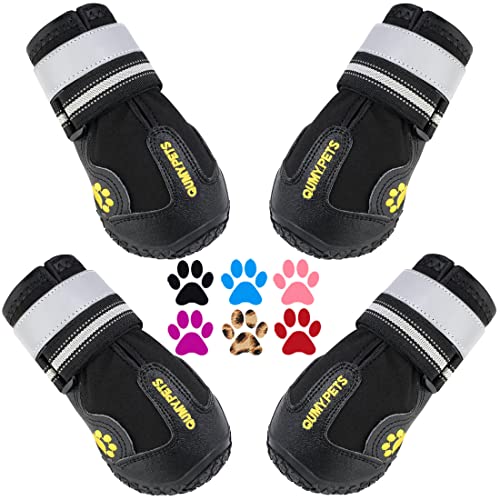
QUMY Ultra Paws Durable Dog Boots
Four-buckle security system. Durable sole for trails and rough terrain. Padded interior for arthritic paws. ($20)
EXPAWLORER Anti-Slip Dog Socks
Grip-dot sole covers full pad area. Elastic top stays up on leg. Best value for indoor hardwood traction. ($10)

DOK BINGPET Non-Slip Dog Socks
Soft knit with rubberized sole grip. Machine washable. Lightweight comfort for all-day indoor wear. ($8)
QUMY Bark Brite All Weather Dog Boots
Neoprene upper with rubber sole. Flexible and comfortable. Reflective strip for nighttime visibility. ($15)
DOK KOOLTAIL Non-Slip Dog Socks
Full-coverage rubber grip pattern. Breathable knit. Good for dogs with sensitive paws or post-surgery recovery. ($10)
Why Traction Loss Happens in Senior Dogs
Traction loss in older dogs is not just about slippery floors, it is a combination of physical changes that accumulate over the senior years and make smooth surfaces genuinely dangerous.
The paw pads themselves change with age. Young dogs have slightly rough, tacky pad surfaces that grip smooth floors naturally. As dogs age, pads become harder and drier, losing some of that natural grippy quality. Simultaneously, the hair that grows between the paw pads (interdigital hair) grows longer as dogs age and trims less naturally through activity. This hair mat covers the pad surface, acting like a built-in slip pad on smooth floors.
The more significant factor is the neurological and muscular side. Reduced proprioception, the sensory system that tells a dog where their feet are relative to their body, deteriorates with age and with conditions like degenerative myelopathy. A senior dog who has lost some proprioceptive feedback is less able to adjust their foot placement in real time, making them slower to respond to a slip before it becomes a fall. Combined with reduced muscle mass and reaction time, even small slips that younger dogs would catch easily can become full falls for senior dogs.
- Harder, drier paw pads: Reduced natural grip on smooth surfaces
- Interdigital hair overgrowth: Hair mats over pad contact area, blocking traction
- Reduced proprioception: Less real-time awareness of foot position during movement
- Muscle weakness: Reduced ability to stabilize and recover from a slip
- Slower reflexes: Less capacity to catch themselves when they begin to slide
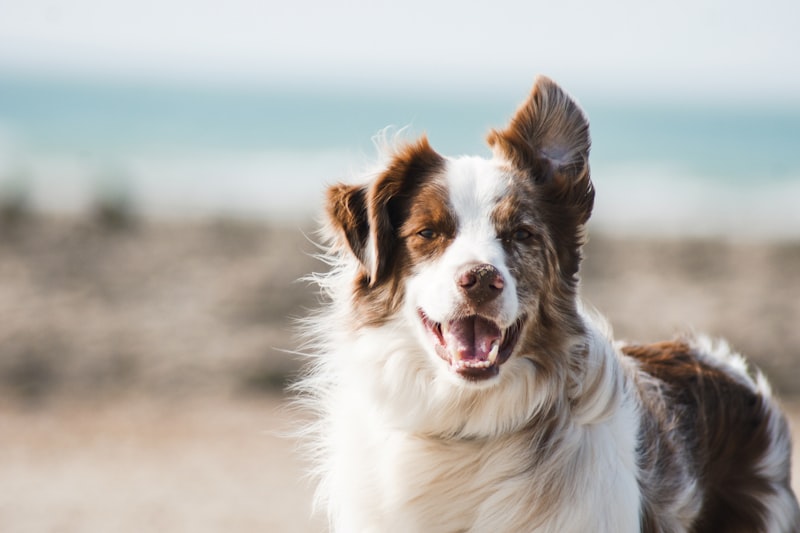
Socks vs. Boots: Which Does Your Dog Need?
When to Choose Grip Socks
Grip socks (EXPAWLORER, BINGPET, KOOLTAIL) are the right choice for indoor use on hardwood, tile, laminate, or vinyl flooring. They are lightweight, typically more accepted by dogs than stiffer boots, and easy to put on and take off multiple times daily. The rubberized or silicone grip dots on the sole provide immediate traction improvement. For dogs who only struggle on indoor smooth surfaces, socks are the most practical, least intrusive solution.
When to Choose Boots
Boots are the right choice when your dog needs outdoor protection: hot pavement in summer (pavement above 77°F can burn paw pads), frozen ground and road salt in winter, rough trails, or wet-weather walks. Boots also provide superior protection for dogs with paw wounds, hot spots, or toe injuries that need shielding from licking and ground contact. For dogs with degenerative myelopathy who drag their rear feet, the toe-capping and durable soles of proper boots protect against abrasion from knuckling.
Premium vs. Budget
The Ruffwear Grip Trex ($80 per set) represents the premium end, proper footwear with Vibram outsoles, toe protection, and the durability for regular active use. For a senior dog who takes daily outdoor walks, this investment pays off over years of use. Budget options like EXPAWLORER ($10) and BINGPET ($8) are perfectly adequate for indoor traction use where durability demands are lower. The right choice depends entirely on how and where your dog will use them.
Best for Indoor Hardwood Traction
These grip socks provide immediate traction improvement for dogs slipping on smooth indoor floors.
Fitting Socks and Boots Correctly
An incorrectly fitted sock or boot provides no protection and can cause its own problems. Too tight restricts circulation; too loose comes off or bunches, creating a tripping hazard. Measure your dog's paw width at its widest point and paw length from heel pad to tip of longest nail. Match these measurements to the size chart of the specific product, sizes vary significantly between brands.
After putting on socks or boots, watch your dog walk for a minute before leaving them unattended. A dog who lifts their feet excessively, freezes, or immediately sits and tries to remove them needs more desensitization time, not forced walking. A dog who walks with only slightly exaggerated paw lifts (the "high-step" that most dogs do initially) is experiencing normal adjustment and typically relaxes within a few minutes of walking.
For arthritic dogs, note that compression around the ankle or lower leg can be uncomfortable. Look for socks with gentle elastic at the top and boots with adjustable straps rather than tight elastic cuffs. The Bark Brite neoprene boots are particularly noted for their gentle, flexible fit that suits arthritic paws well.
Additional Traction Strategies to Use Alongside Socks
Socks and boots work best as part of a broader traction strategy. Trimming interdigital hair (the hair between the paw pads) is the single most effective free intervention, this hair is the primary culprit in traction loss and simply clipping it flush with the pad surface restores significant natural grip. Non-slip rugs and runners placed along your dog's common paths provide traction zones without requiring your dog to wear anything. Anti-slip rug solutions for specific rooms complement footwear for comprehensive traction management.
Pros and Cons of Dog Socks and Boots
Pros
- Immediate traction improvement on smooth floors from first use
- Protects arthritic dogs from the joint stress of repeated slips
- Budget-friendly, effective grip socks available from $8
- Protects paws from hot surfaces, cold, salt, and rough terrain
- Most dogs adapt to wearing them with gradual introduction
Cons
- Many dogs initially resist footwear, requires patient desensitization
- Socks can shift or come off with vigorous movement
- Wrong size creates new problems (too tight restricts circulation, too loose falls off)
- Budget socks wear out quickly with daily use, replacement costs add up
Best Outdoor Boots for Senior Dogs
Durable, protective boots for senior dogs who still enjoy regular outdoor walks.

Related Guides
- Old Dog Slipping on Hardwood Floors: Complete guide to preventing slips and falls at home
- Best Dog Boots for Winter: Full review of cold-weather paw protection
- Best Paw Balm for Older Dogs: Moisturize and protect dry, cracked senior paw pads
- Arthritis in Senior Dogs: How joint disease affects mobility and what helps
Single-product reviews
Our Dr Buzby's ToeGrips review covers the alternative that puts grip on the nail rather than over the paw, which suits dogs who will not tolerate anything on their feet.
Editor's Pick · Affiliate link
An Orthopedic Bed for a Stiff Senior Dog
A supportive memory-foam bed is the cheapest change that visibly helps an arthritic dog get up more easily. Waterproof and washable matters more with age.
Frequently Asked Questions
Why do senior dogs slip on hardwood floors?
Senior dogs slip on smooth surfaces for several reasons. As dogs age, the hair between their paw pads grows longer and covers the pads, reducing natural traction. Paw pads themselves can become drier and harder, providing less grip. Most significantly, muscle weakness and reduced proprioception (the dog's sense of where their limbs are in space) make balance harder to maintain. A dog who would have caught themselves easily at age 3 may fall on the same hardwood floor at age 12 because their recovery reflexes are slower.
What is the difference between socks and boots for dogs?
Dog socks are typically fabric (often fleece or knit) with rubberized grip patches on the sole. They provide light traction and some warmth but minimal paw protection from elements or rough terrain. Dog boots are more structured, they usually have a harder outer sole, more coverage of the paw, and often a fastening system (Velcro, straps) to stay secure. Boots offer more protection from hot pavement, cold snow, and rough surfaces. For indoor traction on smooth floors, socks are usually sufficient and more comfortable for dogs to accept. For outdoor use, boots provide better protection.
My dog hates wearing anything on their paws. How do I get them to accept socks or boots?
Paw sensitivity and resistance to footwear is very common, dogs do not naturally understand what socks or boots are for. The key is desensitization: start by handling your dog's paws daily without any footwear, praising and treating generously. Then introduce the sock or boot smell before putting it on. Put one sock on, treat immediately, distract with play or a walk, remove after a minute. Gradually extend the wearing time over one to two weeks. Starting with the least restrictive option (thin grip socks) rather than full boots makes acceptance easier. Most dogs reach comfortable tolerance within 1-3 weeks of gradual introduction.
How do I know if non-slip socks are working or are too tight?
Socks that are working well allow your dog to walk with a normal, relaxed gait (paws touching the floor fully and pushing off naturally. Too tight means you see restricted movement, the sock leaves indentations on the leg after removal, your dog holds the paw up, or circulation-related changes (pale or cold areas below the sock). Too loose means the sock bunches at the toe or comes off easily. Measure your dog's paw width and length and match to the size chart before purchasing) the right size makes an enormous difference in both effectiveness and acceptance.
What is the best grip sock for hardwood floors specifically?
For hardwood floors, you want a sock with rubberized or silicone grip dots covering as much of the sole surface as possible. EXPAWLORER Anti-Slip Socks and KOOLTAIL Non-Slip Socks are popular choices for indoor use specifically. The grip pattern should cover not just the heel and toe but the full pad contact area. For dogs who drag their rear feet (a common symptom of degenerative myelopathy or spinal weakness), you also want coverage on the top of the toes to prevent knuckling abrasion on hardwood.
Are rubber boots like PAWZ better than fabric socks for senior dogs?
PAWZ rubber boots are polarizing among senior dog owners. On the positive side, they are extremely effective waterproof barriers, very lightweight, and provide decent traction because the rubber grips smooth surfaces well. On the negative side, they provide no padding or cushioning (they are essentially very thin rubber balloons), and some dogs find the sensation of rubber around each toe individually very strange and resist them more than fabric socks. For outdoor wet-weather traction and paw protection, PAWZ work well for dogs who accept them. For indoor comfort and traction, padded fabric grip socks are usually preferable.
Can non-slip socks help dogs with degenerative myelopathy?
Yes, non-slip socks and boots are commonly recommended for dogs with DM. As DM progresses, dogs begin to knuckle their rear paws, walking on the top of the foot rather than the pad, due to the neurological signals to the feet being interrupted. This knuckling causes the top of the toes and paws to scrape the ground, creating abrasions. Boots with protective toe coverage (like Ruffwear Grip Trex or Ultra Paws) protect against this scraping. Drag bags are another option for more advanced DM, but boots extend the period during which walking is possible comfortably.
When should I choose boots over socks for my senior dog?
Choose boots over socks when: the dog will be outdoors on rough, hot, cold, or chemically treated surfaces (road salt, deicers); when the dog is dragging their rear feet and needs more durable toe protection; when the dog needs waterproof coverage for wet weather; or when the dog has paw wounds or hot spots that need protection from licking and contact. For purely indoor traction on smooth floors, socks are usually sufficient, more comfortable, and easier for dogs to accept than stiffer boots.
Need more help with your aging dog?
Browse our guides by topic to find practical solutions.
Wellness Planner, $39