Best Anxiety Products for Senior Dogs (2026)
Top calming solutions for older dogs: ThunderShirts, pheromone diffusers, calming chews, CBD, and music therapy. Our 8 best picks for senior dog anxiety relief.
Anxiety in senior dogs is more common than most pet owners realize, and more painful to watch. Whether it shows up as trembling during thunderstorms, nighttime restlessness and howling, sudden clinginess, or unexplained hiding, anxiety in an aging dog deserves both understanding and action. The good news is that there is a wide range of effective, non-pharmaceutical tools that can provide meaningful relief for senior dogs dealing with fear, confusion, and stress.
We researched the leading anxiety management products specifically in the context of aging dogs, including those managing cognitive dysfunction syndrome, sensory decline, and pain-related anxiety. Here are the eight most effective options in 2026.
8 Best Anxiety Products for Senior Dogs (2026)
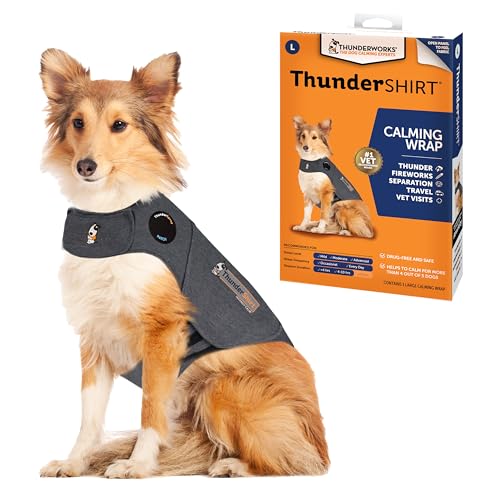
ThunderShirt Classic Dog Anxiety Calming Vest
The vet-recommended pressure wrap. Gentle constant torso pressure triggers a calming response, with most owners reporting visible improvement during storms, fireworks, and vet visits.

ThunderEase Calming Pheromone Diffuser Kit (Powered by Adaptil)
DAP pheromone diffuser that mimics the maternal calming signal. Plug-in for continuous ambient calming over weeks. 60-day supply. Vet recommended.

Pet Honesty Natural Hemp Calming Chews
Hemp, ashwagandha, L-theanine, and valerian root in a soft chew for easy daily dosing. A natural calming blend for ongoing daily support. 90 count.

Honest Paws Hemp Oil Calming Drops for Dogs
Hemp seed oil rich in Omega 3-6-9 to support calm behavior and physical comfort. Made in the USA. Easy to dose onto food or directly.

iCalmPet Ruff 'n Ready Calming Music Speaker
Portable speaker preloaded with psychoacoustically designed canine calming classical and reggae music. Research-backed sound patterns to reduce stress behaviors.

Snuggle Puppy Original Heartbeat Puppy Toy
Mimics the heartbeat and warmth of a littermate with a real-feel pulse and heat pack. Reduces separation anxiety and nighttime restlessness.

Bach Rescue Remedy Pet Dropper
Bach flower remedy for acute stress, applied to the gums or water. Sedative-free, homeopathic, and fast-acting for situational fear. 20 mL.

LKBHGF 6-in-1 Calming Pheromone Diffuser Kit
Budget appeasing-pheromone diffuser kit with two plug-ins and four refills for a 120-day supply. Consistent ambient calming for multi-room homes.
Understanding Anxiety in Aging Dogs
Senior dog anxiety is not the same as anxiety in a younger dog. While both share the same outward signs (trembling, panting, hiding, pacing, vocalizing) the underlying causes in older dogs are often more complex and intertwined.
Cognitive dysfunction syndrome (CDS) affects an estimated 28% of dogs aged 11-12 and over 68% of dogs aged 15-16. CDS causes brain changes similar to Alzheimer's disease in humans, leading to disorientation, forgetting familiar people or places, and the confusion and fear that come with not understanding one's own environment. Dogs with CDS often show increased nighttime anxiety (sundowning) and increased clinginess or conversely, apparent indifference to previously loved activities.
Sensory loss compounds anxiety significantly. A dog who can no longer hear approaching footsteps startles more easily. A dog with deteriorating vision navigates the home less confidently and may become anxious in previously familiar spaces, especially in low light. Chronic pain creates a constant low-grade stress state, a dog who hurts is a dog on alert.
- Cognitive decline: Confusion, disorientation, sundowning, forgetting familiar routines
- Sensory decline: Startling easily due to hearing or vision loss
- Pain-related anxiety: Chronic arthritis pain creates persistent physical stress
- Separation anxiety: Often intensifies as dogs age and become more dependent on their people
- Environmental anxiety: Changes to routine or environment that a younger dog would adapt to easily
Choosing the Right Anxiety Solution
For Situational Anxiety (Storms, Fireworks, Vet Visits)
Situational anxiety calls for fast-acting interventions. The ThunderShirt pressure wrap effect is often apparent within minutes, with many owners noticing their dog visibly relax and settle after the shirt is put on. Rescue Remedy drops can be applied to the gums or added to water 20 to 30 minutes before a known stressor. These are your event tools.
For Ongoing Background Anxiety
Pheromone diffusers work in the background continuously once established. They release a synthetic version of the dog-appeasing pheromone (DAP) that nursing mothers produce, a scent signal the mammalian nervous system associates with safety from birth. These take 2 to 4 weeks to reach full effect and should be considered background support, not immediate relief.
For Cognitive Dysfunction-Related Anxiety
Dogs with CDS benefit from environmental consistency (do not rearrange furniture), night lights that reduce disorientation in darkness, and calming music like the iCalmDog speaker that provides a familiar, predictable auditory environment. The Snuggle Puppy heartbeat toy is particularly useful for older dogs who have become anxious about being left alone or seem to need constant reassurance.
For Daily Calming Support
Calming supplements like Pet Honesty Calming Hemp Chews or Honest Paws hemp oil provide ongoing support when given consistently with meals. The key word is consistently: occasional use produces less benefit than daily supplementation that builds steady levels of calming compounds in the dog's system. These work best as part of a sustained routine rather than an emergency measure.
Most Recommended: ThunderShirt and Adaptil Together
The most common veterinary recommendation for senior dog anxiety is combining a pressure wrap for acute events with a pheromone diffuser for background calming.
Creating a Calming Environment for Senior Dogs
Products are more effective when paired with a calming home environment. For senior dogs, this means:
- Consistent daily routines, meals, walks, and bedtime at the same times
- A dedicated safe space (their bed or crate) that is quiet, slightly enclosed, and always accessible
- Night lights for dogs with vision decline who become disoriented in darkness
- Background music or white noise during times they are alone
- Minimizing sudden visitors, loud noises, and household disruptions during vulnerable periods (mealtimes, naptimes)
If your senior dog's anxiety has emerged recently or escalated significantly, a veterinary visit is the right starting point. What looks like anxiety can be a sign of pain, cognitive dysfunction, or a medical condition (thyroid disease, for instance) that has a specific treatment. Managing root causes alongside calming products produces the best outcomes.
When to Involve Your Veterinarian
Calming products are not a substitute for veterinary care when anxiety is severe or has a medical component. Prescription anti-anxiety medications (trazodone, gabapentin, fluoxetine) are available through your vet and may be appropriate for dogs who do not respond sufficiently to over-the-counter approaches. A board-certified veterinary behaviorist is a resource for complex anxiety cases. Do not let your senior dog live in a state of chronic anxiety, effective treatments exist at every level of need.
Pros and Cons of Over-the-Counter Calming Products
Pros
- No prescription required; widely available and affordable
- Multiple mechanisms of action for layered calming coverage
- ThunderShirts and pheromone diffusers are well-studied with strong safety profiles
- Can be combined with prescription medications when needed
- No sedation, dogs remain alert and functional while calmer
Cons
- No single product works for every dog, some trial and error required
- Some supplements interact with medications (CBD, valerian)
- Pheromone diffusers and supplements require consistent use for best results
- Severe anxiety or pain-based anxiety may need veterinary-prescribed treatment
Natural Calming Supplements
Hemp-based and herbal calming chews provide daily support for chronically anxious senior dogs.
Related Guides
- Canine Cognitive Dysfunction: Understanding and managing doggy dementia
- Best Anxiety Wraps for Senior Dogs: Detailed comparison of pressure wrap options
- Best Dog Cameras for Monitoring: Watch for anxiety behaviors when you are away
- Best Night Lights for Dogs with Dementia: Reduce nighttime disorientation and anxiety
Frequently Asked Questions
Why do senior dogs develop anxiety as they age?
Anxiety in senior dogs often has multiple overlapping causes. Cognitive dysfunction syndrome (doggy dementia) disrupts the brain's ability to process familiar environments and situations, leading to confusion and fear. Sensory decline, hearing loss and vision loss, means dogs get startled more easily and may feel less secure. Chronic pain from arthritis or other conditions creates a constant stress state. Hormonal changes and reduced brain serotonin production also contribute. Understanding whether your dog's anxiety is primarily cognitive, sensory, or pain-based helps you choose the most effective interventions.
What is the difference between a ThunderShirt and a Comfort Zone diffuser?
ThunderShirts apply gentle, constant pressure around the dog's torso (similar to swaddling an infant), triggering the nervous system's calming response. They work best for immediate situational anxiety, thunderstorms, fireworks, vet visits. Comfort Zone diffusers release a synthetic version of the maternal pheromone dogs associate with nursing safety. They work in the background continuously over days and weeks, providing ambient calming in the home environment. ThunderShirts for events; diffusers for ongoing background anxiety. Many owners use both.
Is CBD oil safe for senior dogs with anxiety?
CBD oil has become increasingly popular for canine anxiety, and preliminary research is promising. Anecdotally, many owners report reduced anxiety, improved sleep, and greater calm in senior dogs. The concerns are: the supplement industry has limited regulation (quality and CBD concentration vary enormously between products), CBD can interact with some medications metabolized by the liver, and research in dogs is still limited compared to humans. If you choose to use CBD for your senior dog, consult your vet first especially if your dog takes other medications, and use a brand that provides independent third-party testing for actual CBD content and purity.
Does music therapy really help anxious dogs?
Yes, and this is better supported by research than many people expect. Studies by Dr. Deborah Wells at Queens University Belfast found that classical music significantly reduced kennel stress behaviors in dogs. iCalmPet takes this further with music specifically designed using psychoacoustic principles, sound frequencies and patterns calibrated to the canine auditory system. Several independent studies have supported its calming effects. Music therapy is particularly valuable for deaf dogs (when played through surfaces they can feel as vibration), and for dogs with cognitive dysfunction who respond to familiar sensory environments.
How long does it take for calming products to work?
It depends significantly on the product type. ThunderShirts provide near-immediate calming for many dogs, within minutes of putting it on. Pheromone diffusers typically require 2-4 weeks to establish a meaningful ambient effect. Calming supplements like PetHonesty Hemp or CBD oil generally take 2-4 weeks of daily use to reach a stable effect. Rescue Remedy can be used acutely and some dogs respond within 20-30 minutes. For ongoing anxiety management, most veterinarians recommend a combination approach: an immediate tool (ThunderShirt) alongside a background tool (diffuser, supplement) for layered coverage.
Should I talk to my vet before using calming products for my senior dog?
For over-the-counter products like ThunderShirts, Rescue Remedy, and pheromone diffusers, veterinary consultation is not strictly required. For supplements containing hemp, CBD, valerian, or other active ingredients, a conversation with your vet is wise, especially for senior dogs on medications, or those with heart, liver, or kidney conditions. Some calming supplements interact with medications. Your vet may also identify that what looks like anxiety has an underlying medical cause (pain, cognitive dysfunction, thyroid issues) that warrants specific treatment rather than just calming support.
My senior dog paces and howls at night. Is this anxiety?
Nighttime pacing, howling, and restlessness in senior dogs can reflect anxiety, but it is very commonly a sign of cognitive dysfunction syndrome (CDS), the canine equivalent of dementia. Dogs with CDS experience disorientation and confusion that worsens at night, a phenomenon called sundowning. Pain that is less noticeable during active daytime hours can also become more apparent at night. If your senior dog has recently developed nighttime restlessness, a veterinary examination is important to distinguish anxiety from cognitive decline or pain so the right treatment approach can be used.
Can I combine multiple calming products at the same time?
Generally yes, the most common and effective approach is a layered one. A pheromone diffuser running in the background, a calming supplement given daily with meals, and a ThunderShirt for high-stress events is a common and compatible combination. Music therapy can be added alongside any of these. Where to be more careful: combining multiple supplements with similar active ingredients (e.g., two different hemp-based supplements), or combining supplements with sedative effects (valerian, melatonin, hemp) without veterinary guidance, particularly for dogs who are already on sedating medications.
Need more help with your aging dog?
Browse our guides by topic to find practical solutions.
Wellness Planner, $39