Old Dog Not Drinking Water, Causes & Solutions
Your old dog is not drinking water and you are worried. Learn about kidney disease, nausea, pain, and mobility issues as causes plus ways to increase hydration.
When you notice your older dog's water bowl is still full at the end of the day, or they are walking past their water without stopping, it sets off alarm bells. Water is essential for every bodily function, and in senior dogs whose organs may already be working harder, adequate hydration is even more critical. A dog who is not drinking enough, or has stopped drinking altogether, needs your attention.
This guide helps you understand why senior dogs may reduce their water intake, how to assess whether your dog is getting enough hydration, and practical strategies to encourage your dog to drink more.
Products to Encourage Hydration

COMESOON Elevated Dog Bowl Stand
Raise water to a comfortable height for stiff or painful dogs

Stella & Chewy's Bone Broth for Dogs
Hydrating and flavorful liquid that encourages fluid intake

How Much Water Should Your Senior Dog Drink?
The general guideline is one ounce of water per pound of body weight per day. A 40-pound dog should drink approximately five cups of water daily, while a 70-pound dog needs about nine cups. However, this is a baseline, actual needs vary based on diet, activity, temperature, and health status.
More important than hitting an exact number is knowing what is normal for your individual dog. If you have never tracked your dog's water intake, start by measuring how much you put in the bowl and how much is left at the end of the day. This gives you a personal baseline that makes it easier to detect meaningful changes.
Why Senior Dogs Stop Drinking Enough
Kidney Disease
This one seems counterintuitive. Kidney disease often causes increased thirst and urination in its early and middle stages. But in advanced kidney disease, dogs may become nauseous and lose their appetite for both food and water. They may also feel so generally unwell that drinking becomes unappealing. Paradoxically, these are the dogs who need hydration most, as adequate water intake is critical for supporting remaining kidney function.
Nausea
Nausea from any cause can dramatically reduce water intake. Dogs who feel nauseous may approach the water bowl, sniff it, and walk away, or they may drink a small amount and then stop. Causes of nausea in senior dogs include gastrointestinal issues, liver disease, medication side effects, pancreatitis, and motion sensitivity. Anti-nausea medication from your veterinarian can help restore drinking behavior.
Pain
A dog in pain may drink less simply because getting to the water bowl requires movement that hurts. Arthritis, neck pain, and spinal issues can make bending down to a floor-level bowl uncomfortable. Dental disease, oral tumors, or jaw pain can make the physical act of lapping water painful. If your dog approaches the bowl but seems hesitant or stops quickly, pain may be the barrier.

Mobility Issues
If your dog's water bowl is downstairs and they spend most of their time upstairs, if the bowl is on a slippery surface, or if standing for the time it takes to drink is physically challenging, they may simply not drink as often as they need to. These are solvable problems, they just require recognizing the barrier.
Cognitive Dysfunction
Dogs with cognitive decline may forget to drink, fail to recognize the water bowl, or lose the habit of seeking water when thirsty. They may also become confused about the location of the bowl if it has been moved or if they are disoriented about their surroundings.
Change in Water Source
Dogs have far more sensitive taste and smell than we do. A change in water supply (moving to a new home, different municipal water source, new water filter), a new bowl, or even residue from a different cleaning product on the bowl can make water taste or smell different enough that your dog rejects it. This is more common than many owners realize.
Hydration Products
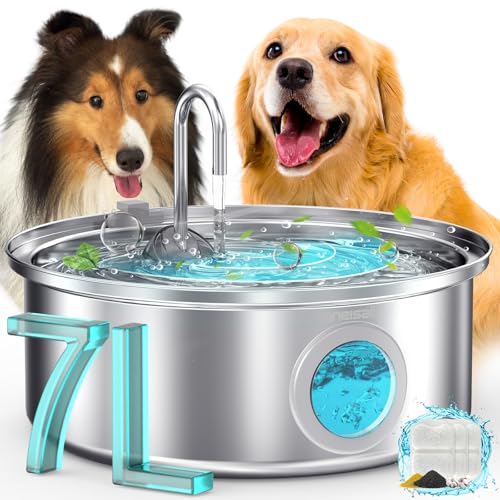
- Stainless Steel Dog Water Fountains - Fresh, circulating water that dogs find more appealing
- Organic Bone Broth for Dogs - Flavorful hydration supplement for reluctant drinkers
- Adjustable Elevated Water Bowls - Comfortable drinking height for stiff necks and joints
Practical Ways to Increase Water Intake
Make Water More Accessible
Place water bowls in multiple locations throughout your home, especially in rooms where your dog spends the most time. If your dog has mobility challenges, ensure at least one bowl is within easy reach of their resting area. Elevated bowls reduce the need to bend down and can be a game-changer for dogs with neck or back pain.
Make Water More Appealing
Add a splash of low-sodium chicken broth or bone broth to the water to enhance flavor. Offer slightly warm water, which some dogs prefer over cold tap water. Try a water fountain, the sound and movement of circulating water attracts many dogs who ignore a still bowl. Keep bowls clean, rinsing daily with hot water to remove residue and biofilm.
Add Moisture to Food
One of the most effective ways to increase overall fluid intake is to add water to your dog's food. Add warm water or broth to dry kibble and let it soak for a few minutes before serving. Switch to or incorporate wet food, which is 70 to 80 percent moisture. Offer hydrating treats like watermelon (seedless), cucumber, or ice cubes made from diluted broth.
Monitor and Encourage
Bring the water bowl to your dog if they are reluctant to get up. Offer water from your hand or a cup if they seem interested in drinking but not motivated to approach the bowl. For dogs with cognitive dysfunction, gently guide them to the water bowl several times a day as a reminder.

When to See the Vet
Reduced water intake in a senior dog should be discussed with your veterinarian, and the following situations are more urgent:
- No water intake for 24 hours or more: this is a veterinary concern regardless of the reason
- Reduced drinking combined with vomiting or diarrhea: dehydration can develop rapidly
- Signs of dehydration: dry gums, tented skin, sunken eyes, dark urine, or lethargy
- Sudden change in drinking habits: either dramatic increase or decrease from your dog's normal
- Not eating and not drinking: combined loss of appetite and thirst suggests systemic illness
- Known kidney disease and reduced water intake, this combination can rapidly worsen kidney function
- Drooling, pawing at the mouth, or difficulty swallowing: possible dental or oral issue preventing drinking
Your veterinarian may recommend blood work to check kidney values and organ function, urinalysis to assess hydration status, an oral examination to check for dental disease, and in some cases, subcutaneous fluid administration to rapidly correct dehydration. For dogs with chronic conditions that affect hydration, your veterinarian may teach you to administer subcutaneous fluids at home.
The Importance of Staying Hydrated
Adequate hydration supports kidney function, aids digestion, helps regulate body temperature, maintains healthy skin and coat, cushions joints, and facilitates the delivery of nutrients throughout the body. For senior dogs, whose systems are already working harder, even mild dehydration can have outsized effects. Making hydration easy, accessible, and appealing is one of the simplest and most impactful things you can do for your aging dog's health.
Related Guides
- Kidney Disease in Senior Dogs - Hydration is critical for dogs with kidney problems.
- Bone Broth for Senior Dogs - A hydrating, nutritious supplement for reluctant drinkers.
- Best Wet Food for Older Dogs - High-moisture food options to increase fluid intake.
- Dental Care for Older Dogs - Dental pain can prevent dogs from drinking comfortably.
Frequently Asked Questions
How much water should an older dog drink per day?
A general guideline is approximately one ounce of water per pound of body weight per day. So a 50-pound dog should drink roughly 50 ounces, or about six cups, of water daily. However, individual needs vary based on diet (dogs eating wet food need less), activity level, weather, and health conditions. Significant deviations from your dog's normal intake, either increased or decreased, warrant attention.
Why has my old dog stopped drinking water?
Reduced water intake in senior dogs can be caused by nausea from kidney or liver disease, gastrointestinal upset, dental pain making it uncomfortable to drink, mobility issues making it difficult to reach the bowl, a change in water source or bowl that the dog dislikes, medication side effects, general malaise from illness, or cognitive dysfunction causing the dog to forget to drink. If your dog has significantly reduced water intake for more than 24 hours, contact your veterinarian.
Can I flavor my old dog's water to encourage drinking?
Yes. Adding a small amount of low-sodium chicken broth, bone broth, or tuna water to the drinking water can make it more appealing. Some dogs prefer slightly warm water over cold. You can also try offering ice cubes as a treat, adding water to dry food, or switching to wet food which naturally contains more moisture. Avoid adding anything with onion, garlic, artificial sweeteners, or high sodium levels.
Is it dangerous if my old dog is not drinking water?
Yes, dehydration in senior dogs can become dangerous quickly. Older dogs have less physiological reserve and are more susceptible to the effects of dehydration, which can worsen kidney function, cause constipation, concentrate toxins in the blood, reduce blood pressure, and impair organ function. If your dog has not had water in 24 hours, or if reduced intake is combined with vomiting, diarrhea, lethargy, or dry gums, seek veterinary care promptly.
How can I tell if my old dog is dehydrated?
Signs of dehydration include dry or tacky gums, loss of skin elasticity (when you gently pinch the skin on the back of the neck, it should snap back immediately, if it stays tented or returns slowly, the dog may be dehydrated), sunken eyes, lethargy, dry nose, decreased urine output or dark yellow urine, and loss of appetite. The skin test is less reliable in older dogs because skin naturally loses elasticity with age, so other signs should also be assessed.
Will a water fountain encourage my old dog to drink more?
Many dogs are attracted to moving water and will drink more from a fountain than a still bowl. The sound and movement of circulating water can capture your dog's attention and encourage drinking. Fountains also keep water fresher and more oxygenated. If your dog has never used a fountain, introduce it alongside their regular bowl so they can transition gradually.
Should I worry if my old dog drinks less after switching to wet food?
No. This is normal and expected. Wet food typically contains 70 to 80 percent moisture, while dry food contains only about 10 percent. Dogs who eat wet food naturally drink less water because they are getting a significant portion of their hydration from their meals. As long as your dog seems well-hydrated (moist gums, normal energy, adequate urine output), reduced water intake on a wet food diet is not a concern.
Need more help with your aging dog?
Browse our guides by topic to find practical solutions.
Wellness Planner, $39