Best Water Fountains for Senior Dogs
Top dog water fountains that encourage hydration in senior dogs. Quiet motors, filtered water, and easy-clean designs reviewed for aging pets.
Dehydration is a silent problem in senior dogs. As dogs age, their thirst drive weakens, kidney function often declines, and mobility issues can make the simple act of walking to a water bowl uncomfortable enough that they drink less than they should. Chronic mild dehydration worsens kidney disease, concentrates urine leading to urinary infections, and contributes to constipation, all common problems in aging dogs.
A water fountain does something remarkably simple: it makes water more appealing. The movement, the sound, the cooler temperature, and the fresher taste all encourage your senior dog to drink more. It's one of the easiest, most impactful upgrades you can make for an aging dog's health. Here's how to choose the right one.
Best Water Fountains for Senior Dogs

PetSafe Stainless Steel Pet Fountain
Hygienic stainless steel, ultra-quiet pump, 128 oz capacity

VinDox Ceramic Pet Water Fountain
Heavy, stable ceramic design, beautiful and easy to clean
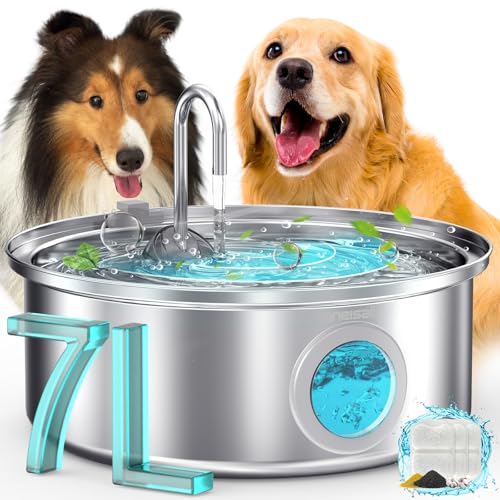
oneisall Multi-Stream Dog Fountain
Multiple drinking spots for multi-dog homes, BPA-free, filtered

PetSafe Gravity-Fed No-Electric Fountain
No pump, no noise, simple gravity design with activated carbon filter
Why Hydration Matters More for Senior Dogs
Your senior dog's kidneys are likely working harder than they used to. Kidney disease affects an estimated 1 in 10 dogs at some point in their lives, and the prevalence increases sharply with age. Even dogs without diagnosed kidney disease experience a natural decline in kidney efficiency. Adequate water intake is the single most important thing you can do to support aging kidneys.
Beyond kidney support, proper hydration helps with:
- Joint health: Synovial fluid, which lubricates joints, is primarily water. Dehydrated joints are stiffer and more painful.
- Digestion: Water is essential for normal bowel function. Dehydration is a leading cause of constipation in senior dogs.
- Cognitive function: Even mild dehydration affects brain function, potentially worsening symptoms of canine cognitive dysfunction.
- Medication processing: Senior dogs on medications need adequate water for proper drug metabolism and kidney clearance.
- Temperature regulation: Older dogs are more prone to overheating, and hydration is the body's primary cooling mechanism.

Types of Dog Water Fountains
Pump-Driven Fountains
The most common type. A submersible pump circulates water continuously through a filter and over a drinking surface. The movement keeps water oxygenated and fresh. These are available in stainless steel, ceramic, and plastic.
Pros: Best filtration, most options available, adjustable flow rates, quiet modern models.
Cons: Requires electricity, pump replacement every 1-2 years, regular filter changes.
Gravity-Fed Fountains
These use gravity to refill a basin from an inverted reservoir, similar to an office water cooler. No pump, no electricity, no noise. Some include basic filters in the reservoir spout. They don't circulate water like pump models, so the oxygenation and freshness benefits are reduced.
Pros: No electricity needed, zero noise, no pump maintenance, very reliable.
Cons: No circulation, limited filtration, water sits longer between refills.
Battery-Operated Fountains
Cordless options that run on batteries, making them portable and eliminating cord hazards. They're useful for outdoor use or placement in areas far from outlets. Battery life varies from days to weeks depending on the model and pump speed.
Pros: No cord, placement flexibility, portable.
Cons: Battery cost, weaker pumps, limited capacity.
Fountains by Material
- Stainless Steel Dog Fountains - Most hygienic, dishwasher-safe
- Ceramic Dog Water Fountains - Heavy, stable, and attractive
- Replacement Fountain Filters - Carbon and foam filters in bulk packs
What to Look for in a Senior Dog Fountain
Low Drinking Height
Some fountains have tall spouts or elevated drinking areas. For senior dogs with neck stiffness or arthritis, a low basin-style drinking area is easier to access. If your dog already uses an elevated bowl, you can place a low-profile fountain on a raised platform to match their comfortable eating height.
Quiet Motor
Noise sensitivity increases in many senior dogs, particularly those with cognitive dysfunction. A buzzing or humming pump may deter an anxious senior from approaching the fountain. Look for models with brushless DC motors, which operate at 30-40 decibels. Read reviews specifically mentioning noise levels, manufacturer claims don't always match reality.
Easy Disassembly and Cleaning
A fountain you dread cleaning is a fountain that doesn't get cleaned often enough. Choose models with few parts, wide openings for scrubbing, and dishwasher-safe components. Fountains with complex internal channels or hard-to-reach nooks accumulate biofilm that's difficult to remove.
Adequate Capacity
Senior dogs on medications like diuretics or those with kidney disease may drink significantly more water than average. Choose a fountain large enough that it won't run dry between refills. Running a pump without water damages the motor and leaves your dog without water, both unacceptable outcomes. For most senior dogs, 100+ ounces is a safe minimum.

Setting Up Your Dog's Water Fountain
Location
Place the fountain on a waterproof mat in an area your dog frequents. The path from their bed to the fountain should be short and on non-slip surfaces. If your senior dog has multiple resting spots in different rooms, consider getting a second fountain or keeping a standard water bowl in other locations as backup.
Transition Period
Don't remove your dog's regular water bowl immediately. Run the fountain alongside the bowl for several days so your dog can investigate the new water source at their own pace. Most dogs start drinking from the fountain within 1-3 days once they notice the movement. Never force the transition or remove the old bowl before your dog is consistently using the fountain.
Maintenance Schedule
Set a routine: rinse the fountain and top off water every 2-3 days, deep clean weekly to biweekly, replace filters every 2-4 weeks, and replace the pump annually or when it becomes noisy. Keeping a calendar reminder ensures the fountain stays clean and functional.
Fountain Accessories
- Fountain Cleaning Brush Kits - Small brushes for pump housing and tubing
- Waterproof Mats for Under Fountains - Protect floors from splashes and drips
Other Ways to Encourage Hydration
A fountain is the centerpiece, but there are additional strategies to maximize your senior dog's water intake:
- Add water to food: Mixing warm water or bone broth into dry food adds significant hydration with every meal
- Offer wet food: Wet food is 70-80% water compared to 10% for dry food
- Multiple water stations: Place water sources in every room your dog uses so they never have to go far
- Flavor the water: A small splash of low-sodium chicken broth can make plain water irresistible
- Monitor intake: Senior dogs should drink approximately 1 ounce of water per pound of body weight daily. Track their consumption to spot dehydration early
Related Guides
- Best Wet Food for Senior Dogs: High-moisture food for additional hydration
- Bone Broth for Senior Dogs: Hydrating, nutritious addition to your dog's diet
- Kidney Disease in Senior Dogs: Why hydration is critical for kidney health
- Best Elevated Dog Bowls: Ergonomic feeding solutions for senior dogs
Frequently Asked Questions
Do dogs really drink more water from a fountain?
Studies and veterinary observations consistently show that many dogs prefer moving water and will drink more from a fountain than a stagnant bowl. The sound and movement attract dogs to the water, and the cooler, fresher taste encourages additional consumption. This is especially important for senior dogs who may not drink enough on their own due to reduced thirst drive or mobility issues that make getting to the bowl uncomfortable.
How often should I clean a dog water fountain?
Clean the fountain thoroughly every 1-2 weeks. This means disassembling it, washing all parts with hot water and a brush, and replacing the filter if it's visibly discolored. Between deep cleans, wipe down visible surfaces and change the water every 2-3 days. In warmer months or if you have multiple dogs, clean more frequently. Biofilm (the slimy layer that forms on surfaces) can harbor bacteria and must be scrubbed away regularly.
Are water fountains safe for senior dogs?
Yes, water fountains are very safe for senior dogs. Stainless steel and ceramic models are the most hygienic. The filters remove debris, hair, and some impurities. The main safety consideration is choosing a fountain with a stable base that won't tip if your dog bumps it. For dogs with limited mobility, a fountain with a low drinking basin is easier to access than one with a tall spout.
What size water fountain does my dog need?
For a single small dog, a 50-70 oz (1.5-2 liter) fountain is sufficient. For medium dogs, look for 70-100 oz (2-3 liters). For large dogs or multi-dog households, choose a 128+ oz (3.8+ liter) model. The fountain should hold enough water for at least a full day without running dry, as running a fountain pump without water damages the motor.
How often do water fountain filters need to be replaced?
Most carbon filters should be replaced every 2-4 weeks, depending on usage and the number of pets. Pre-filters or foam filters that catch hair and debris may need rinsing weekly and replacing monthly. Always keep spare filters on hand, a fountain without a functioning filter defeats much of the purpose. Some brands offer subscription filter deliveries for convenience.
Is stainless steel or ceramic better for a dog water fountain?
Both are excellent choices. Stainless steel is lighter, nearly indestructible, and the most hygienic surface available, bacteria has the hardest time adhering to polished stainless steel. Ceramic is heavier (more stable) and often more aesthetically pleasing but can crack if dropped and may develop hard-to-clean crevices if the glaze chips. Avoid plastic fountains, which scratch, harbor bacteria, and can cause chin acne.
Are water fountains noisy?
Modern pet fountains are designed to be quiet, but noise levels vary. Most produce a gentle water trickling sound of 30-40 decibels, which is softer than a whisper. Some dogs (and owners) find this sound soothing. If noise is a concern, look for models specifically marketed as ultra-quiet and read reviews mentioning noise levels. The most common noise complaint is a buzzing or humming when the water level drops too low and the pump works harder.
Need more help with your aging dog?
Browse our guides by topic to find practical solutions.
Wellness Planner, $39