Best Non-Slip Rugs & Runners for Senior Dogs
Top non-slip rugs, runners, and grip pads that keep senior dogs safe on hardwood and tile floors. Washable, durable picks with rubber backing reviewed.
Hardwood and tile floors are beautiful, until you watch your senior dog's legs splay out like Bambi on ice. Slippery floors are one of the most common and preventable causes of injury in older dogs, leading to pulled muscles, tweaked joints, and a growing fear of moving around their own home. When a senior dog stops getting up because they're afraid of slipping, their mobility declines even faster.
Non-slip rugs, runners, and grip pads are the simplest fix. They create safe pathways through your home, giving your dog the traction they need to walk, stand, and turn with confidence. This guide covers the best options for every floor type and budget, with practical advice on placement and maintenance.
Best Non-Slip Flooring Solutions for Senior Dogs
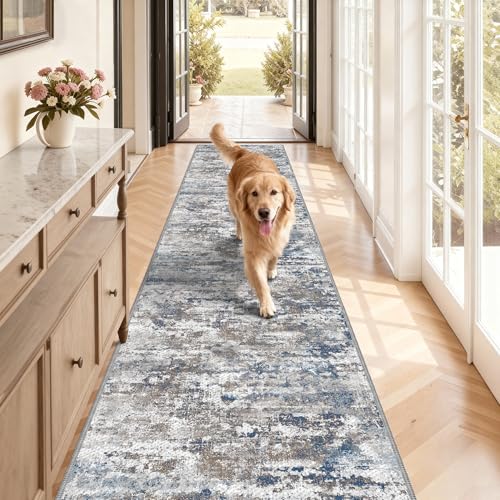
TTelephant Washable Non-Slip Runner Rug
Machine-washable, rubber-backed hallway runners in multiple lengths

BalanceFrom Interlocking Foam Floor Tiles
Easy-install grip tiles for problem areas, cut to any shape


JOYGIEE Non-Slip Stair Treads for Dogs
Self-adhesive treads that make stairs safe for senior paws
Why Slippery Floors Are Dangerous for Senior Dogs
Young dogs slip on hardwood and recover without thinking about it. Senior dogs don't have that luxury. Arthritis reduces joint flexibility, making it harder to catch a slip before it becomes a fall. Muscle loss, common in aging dogs, means there's less strength to stabilize an unsteady leg. Neurological conditions like degenerative myelopathy compound the problem by reducing paw awareness altogether.
The psychological impact is just as damaging as the physical risk. Dogs who have slipped and fallen develop a learned avoidance of slippery surfaces. They refuse to cross rooms, hesitate at hallway entrances, and may stop going to their water bowl or the back door. This self-imposed immobility accelerates muscle atrophy and cognitive decline in a downward spiral that non-slip surfaces can break.
Falls on hard surfaces also cause injuries that may not be immediately obvious, soft tissue strains, minor hip subluxations, and bruised joints that lead to days of increased pain and reluctance to move.
When supplements and beds are not enough
Most of what gets recommended for stiff joints is a daily aid. These are the three that change what a dog can still do, and they are what owners reach for once the cheaper options stop being enough. They cost more because they replace an ability rather than easing a symptom.
Top Picks for This Guide

LetPetRun Rear-Leg Dog Wheelchair, Adjustable
Restores independent movement when the back legs give out. Fitted to your dog's measurements, not a size chart.

DoggoRamps Solid Hardwood Dog Ramp for Furniture
Ends the jump on and off the sofa, which is where most arthritic flare-ups start. Hardwood rather than folding plastic, so it holds a large dog.

Petbobi Dog Stroller for Large and Medium Dogs
Lets a dog that can no longer walk far still come on the walk. Rated to 80 lbs.
Types of Non-Slip Solutions
Rubber-Backed Runner Rugs
Long, narrow rugs designed for hallways and pathways. The rubber backing grips the floor underneath while the top surface gives your dog's paws something to grip. These are the workhorse solution for most homes.
Pros: Available in many lengths and styles, machine-washable options widely available, look good in most homes.
Cons: Need gripper pads on very smooth floors, edges can curl over time, heavier than they look when wet.
Look for runners at least 24 inches wide, wider is better, as senior dogs don't always walk in a straight line. A runner that's too narrow just shifts the slip risk to the edges.
Interlocking Foam Tiles
These puzzle-piece-style tiles provide excellent grip and cushioning. They're particularly good for designated areas like feeding stations, the landing zone at the bottom of stairs, or the stretch of floor between your dog's bed and the back door. They can be cut to fit any space.
Pros: Excellent traction, cushioning for joints, easy to replace individual tiles, waterproof.
Cons: Utilitarian appearance, some dogs chew the edges, can shift on very smooth floors without adhesive backing.
Rug Gripper Pads
If you already have area rugs that slide, a quality gripper pad underneath may be all you need. These pads are made from rubber mesh or felt-rubber combinations that grip both the floor and the underside of the rug, preventing any movement.
Pros: Use your existing rugs, very affordable, invisible once in place.
Cons: Only works if the rug itself provides adequate traction on top, needs replacing every 1-2 years as rubber degrades.
Self-Adhesive Stair Treads
For homes with stairs, these carpet treads stick directly to each step and provide critical traction. Stairs are the most dangerous spot in any home for a senior dog, a single slip can mean a tumble down multiple steps. Treads should cover at least 80% of each step's depth.
Non-Slip Rugs by Floor Type
- Non-Slip Rugs for Hardwood Floors - Rubber-backed, machine-washable
- Non-Slip Runners for Tile Floors - Extra grip for slick tile
- Non-Slip Stair Treads for Dogs - Self-adhesive carpet treads
How to Create Safe Pathways
Map Your Dog's Routes
Spend a day observing your dog's movement patterns. Where do they walk most? The path from their bed to the water bowl, the water bowl to the back door, and the route they take when they hear you in the kitchen, these are your priority zones. You don't need to carpet the entire house, just the traveled routes.
Eliminate Gaps
Rugs that don't connect create a false sense of security. Your dog walks confidently on the first rug, then hits a slick gap before reaching the second one. Place rugs so they overlap slightly or butt up against each other with no exposed floor between them. Hallways are easy to cover with one continuous runner.
Anchor Transitions
The spots where your dog transitions from carpet to hard floor, or from a rug to open floor, are high-risk zones. Place extra-grippy mats at these junctions. The bottom and top of stairs, the entry from garage to kitchen, and the spot where the living room rug ends are all critical transition points.

Choosing Washable vs. Standard Rugs
For homes with senior dogs, especially those dealing with incontinence, washable rugs are worth every penny. A beautiful wool runner that can't be washed will become stained and odorous within weeks if your dog has accidents. Machine-washable rugs can go in the laundry weekly, staying fresh and hygienic.
The washable rug market has improved dramatically. Modern options come in attractive patterns and textures that don't look like institutional floor coverings. They hold up through dozens of wash cycles and maintain their non-slip backing.
If you prefer standard rugs for aesthetic reasons, use waterproof pads underneath to protect your floors, and keep an enzyme cleaner on hand for accidents. Just know that spot cleaning is rarely as effective as machine washing for pet odors.
Washable Rug Options
- Machine-Washable Pet-Friendly Area Rugs - Easy cleaning for homes with senior dogs
- Waterproof Rug Pads - Protect floors from accidents that soak through
Complementary Traction Solutions
Rugs work best as part of a comprehensive traction strategy. For spots where rugs aren't practical, consider these additional solutions that work alongside non-slip flooring:
- Toe grips: Rubber rings that fit over your dog's toenails for traction on any surface
- Traction boots: Rubber-soled boots for maximum grip, especially on tile
- Non-slip socks: Lightweight grip socks for indoor use
- Paw wax: Provides mild traction improvement and moisturizes dry paw pads
The combination of non-slip flooring along major pathways and wearable traction on your dog's paws creates a nearly fall-proof environment. Many owners find that once they address the flooring, their senior dog's confidence returns within days, and the increased movement actually improves overall mobility.
Related Guides
- Old Dog Slipping on Hardwood Floors: Complete guide to solving traction problems
- Best Non-Slip Socks for Dogs: Wearable traction for indoor surfaces
- Dog Toe Grips Review: Rubber toenail grips for hard floors
- How to Help an Old Dog Get Up: Techniques for assisting dogs on slippery floors
Editor's Pick · Affiliate link
An Orthopedic Bed for a Stiff Senior Dog
A supportive memory-foam bed is the cheapest change that visibly helps an arthritic dog get up more easily. Waterproof and washable matters more with age.
Frequently Asked Questions
What type of rug is best for a dog who slips on hardwood floors?
Low-pile rugs with rubber backing provide the best combination of traction and ease of cleaning. Look for rugs made from polypropylene or nylon with a non-skid latex or rubber underside. Avoid high-pile shag rugs, which can catch toenails, and cotton rugs without backing, which bunch up and become a tripping hazard.
How many rugs do I need for my senior dog?
Map out your dog's daily routes, from bed to water bowl, water bowl to back door, and any frequently traveled hallways. You need continuous coverage along these paths. Most homes need 3 to 6 runners or rugs to create safe walkways. Gaps between rugs on slippery floors are the spots where falls happen most.
Are washable rugs durable enough for dogs?
Modern machine-washable rugs are surprisingly durable. Brands like Ruggable and Rugs USA's washable lines are designed for heavy household use. For dogs, choose washable rugs rated for high traffic and check reviews specifically mentioning pet use. Expect to wash them every 1-2 weeks for hygiene.
Do rug gripper pads actually work?
Quality rug gripper pads work very well. They prevent the rug from sliding on hard floors, which is critical for a senior dog who pushes off with their back legs when standing. Look for felt-and-rubber combination pads or solid rubber mesh pads. Avoid thin, adhesive-style grippers that wear out quickly. Replace gripper pads every 1-2 years as the rubber hardens.
Can I use yoga mats instead of rugs for dog traction?
Yoga mats can work as temporary solutions, especially in high-traffic transition areas. They provide excellent grip on both surfaces. However, some dogs chew them, and they don't look great in living spaces. Interlocking foam tiles are a more practical alternative that provides similar grip with a cleaner appearance.
Will non-slip rugs damage my hardwood floors?
Most quality non-slip rug pads will not damage hardwood floors. Avoid pads with adhesive backing, which can leave residue. Natural rubber or felt pads are safest for wood floors. Check the rug backing as well, some latex backings can stain or discolor certain finishes over time. When in doubt, use a separate rug pad between the rug and the floor.
How do I keep my dog from peeing on the rugs?
If your senior dog has incontinence issues, choose waterproof-backed rugs or place a waterproof pad underneath standard rugs. Machine-washable rugs are essential for incontinent dogs. You can also treat rugs with an enzyme-based pet deterrent spray. For persistent issues, washable pee pads placed on top of rugs in problem spots provide an extra layer of protection.
Need more help with your aging dog?
Browse our guides by topic to find practical solutions.
Wellness Planner, $39