Best Eye Supplements for Senior Dogs
Top eye supplements for senior dogs with vision support, lutein, bilberry, antioxidant formulas reviewed. Plus eye drops and care tips for aging dog eyes.
The best eye supplement for a senior dog in our picks is Ocu-GLO, a vision supplement formulated by a veterinary ophthalmologist with lutein, grapeseed extract and omega-3s. Eye supplements target the nutrients lens and retinal tissue need to resist oxidative damage; they support eye health but do not cure cataracts or other eye disease, so pair them with regular veterinary eye exams.
Those beautiful eyes that have watched you for years are changing. Maybe you've noticed a faint blue haze over the lens, a cloudiness that wasn't there last year. Perhaps your senior dog hesitates at the top of stairs they once bounded down, or bumps into furniture that's been in the same spot for a decade. Age-related vision changes affect nearly every senior dog to some degree, and while we can't stop the clock entirely, the right nutritional support can help protect what remains.
Eye supplements for dogs target the specific nutrients that lens and retinal tissue need to resist oxidative damage, the primary mechanism behind age-related eye deterioration. Combined with regular veterinary eye exams and environmental modifications, supplementation is one of the most proactive steps you can take for your aging dog's vision. Here's what works, what doesn't, and how to choose.
Best Eye Health Products for Senior Dogs

Ocu-GLO Vision Supplement for Dogs
Vet ophthalmologist-formulated with lutein, grapeseed extract, and omega-3s
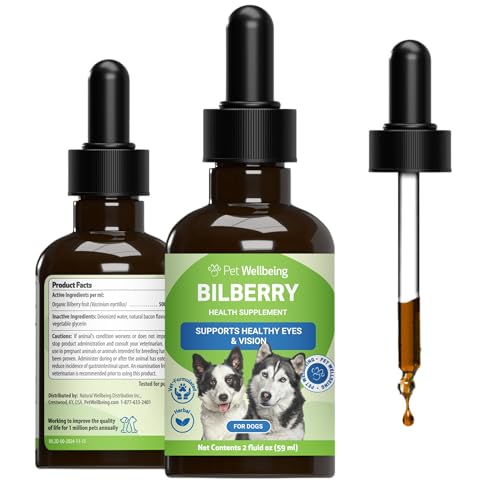
Pet Wellbeing Bilberry Eye Health Chews for Dogs
Bilberry extract plus lutein and zeaxanthin, soft chew format

OptixCare Lubricating Eye Drops for Dogs
Gentle artificial tears for dry, irritated senior dog eyes

Chew + Heal Labs Eye Cleaning Wipes for Dogs
Gentle, pre-moistened wipes for tear stains and discharge
How Dog Eyes Age
Understanding what's happening inside your senior dog's eyes helps you choose the right support. Several age-related changes are common:
Nuclear Sclerosis
The most common age-related eye change in dogs. The lens naturally becomes denser and slightly cloudy over time, creating a characteristic blue-grey haze. This is not a cataract and usually doesn't significantly impair vision, though it may reduce the ability to focus on close objects. Almost all dogs over 8-10 years show some degree of nuclear sclerosis. No treatment is needed, but antioxidant supplements may slow progression.
Cataracts
True cataracts involve protein breakdown in the lens, creating white, opaque areas that block light from reaching the retina. Unlike nuclear sclerosis, cataracts do impair vision and can progress to blindness. Diabetes, genetics, and chronic inflammation increase cataract risk. Surgery is the only treatment that restores vision, but supplements may slow progression in early stages.
Dry Eye (KCS)
Keratoconjunctivitis sicca, decreased tear production, becomes more common with age. Without adequate tear film, the cornea dries, becomes irritated, and is vulnerable to ulceration and infection. Lubricating eye drops and omega-3 fatty acids support tear production and corneal health.
Retinal Degeneration
Progressive retinal atrophy (PRA) and sudden acquired retinal degeneration (SARD) cause vision loss through retinal cell death. PRA is genetic and progressive; SARD is sudden. Antioxidants like lutein and zeaxanthin concentrate in the retina and may slow oxidative damage, though they cannot reverse established degeneration.
Key Ingredients in Eye Supplements
Lutein and Zeaxanthin
These carotenoid pigments naturally concentrate in the eye's macula and lens, where they filter harmful blue light and neutralize free radicals. They are the front line of retinal defense. Studies in both humans and animals show that dietary lutein and zeaxanthin supplementation increases their concentration in eye tissue and correlates with reduced oxidative damage.
Bilberry Extract
Bilberry (a relative of blueberry) contains anthocyanins, potent antioxidants that support blood flow to the eyes and protect the retina's photoreceptor cells. Historically used by World War II pilots to improve night vision, bilberry has since been studied for its protective effects against retinal damage and cataracts. It works synergistically with lutein.
Grapeseed Extract
Note: This is grapeseed extract, not grapes, grapes are toxic to dogs, but the extracted proanthocyanidins from grapeseed are safe and used in veterinary-formulated products. These powerful antioxidants cross the blood-retinal barrier and protect delicate eye tissue from oxidative stress. Ocu-GLO, the most widely recommended canine eye supplement, includes grapeseed extract as a key ingredient.
Omega-3 Fatty Acids
EPA and DHA from fish oil support tear film quality, reduce ocular inflammation, and contribute to retinal cell membrane integrity. For dogs with dry eye, omega-3 supplementation can measurably improve tear production over 4-8 weeks.
Vitamins C and E
Both are antioxidants that protect lens proteins from oxidative damage. Vitamin C concentrates in the aqueous humor (the fluid in the front of the eye) where it scavenges free radicals. Vitamin E protects cell membranes throughout the eye. Together they provide broad-spectrum antioxidant coverage.
Eye Supplements by Condition
- Comprehensive Eye Supplements for Dogs - Multi-ingredient vision support formulas
- Ocu-GLO Vision Supplement - Vet ophthalmologist-formulated eye health
- Lubricating Eye Drops for Dogs - Relief for dry, irritated senior dog eyes
Beyond Supplements: Protecting Your Senior Dog's Vision
Regular Veterinary Eye Exams
Annual eye exams (or biannual for dogs with known eye conditions) catch problems early. A veterinary ophthalmologist can detect internal eye changes invisible to the naked eye using specialized instruments. Early intervention for conditions like glaucoma can save vision that would otherwise be lost.
Environmental Modifications
For dogs with declining vision, making your home vision-friendly prevents injuries and reduces anxiety. Keep furniture in consistent positions. Use night lights in hallways and near water bowls. Block access to stairs with safety gates. Scent markers (a dab of vanilla extract on doorframes) help partially blind dogs navigate by smell.
Protect from UV Exposure
Prolonged sun exposure accelerates lens oxidation and cataract formation. On bright days, provide shaded rest areas. Dog-specific goggles (doggles) protect eyes during extended outdoor time, though not every dog tolerates them.

Daily Eye Care Routine for Senior Dogs
Supplementation works best as part of a daily eye care routine:
- Morning check: Look at your dog's eyes each morning. Note any discharge, redness, swelling, or changes in clarity. Catch problems early.
- Clean as needed: Gently wipe away any discharge or tear staining with a damp cloth or eye wipe. Dried discharge can harbor bacteria and irritate surrounding skin.
- Administer supplements: Give eye supplements with a meal for best absorption. Most are available as soft chews, capsules, or powders that mix into food.
- Apply drops if needed: If your vet has recommended lubricating drops, apply them as directed. Most dogs need 1-2 applications daily for dry eye management.
- Trim face hair: For long-haired breeds, keep the hair around the eyes trimmed so it doesn't irritate the cornea or obstruct vision.
Related Guides
- Blindness in Senior Dogs: Complete guide to living with a blind aging dog
- Common Health Problems in Senior Dogs: Overview of age-related conditions including eye disease
- Fish Oil for Senior Dogs: Omega-3s for eye, joint, and skin health
- Best Vitamins for Senior Dogs: Comprehensive vitamin and supplement guide
Frequently Asked Questions
Can supplements really help my senior dog's eyesight?
Eye supplements can support eye health and potentially slow the progression of age-related changes like nuclear sclerosis and early cataracts. Key nutrients (lutein, zeaxanthin, bilberry, and antioxidants) protect the lens and retina from oxidative damage. However, they cannot reverse existing vision loss or cure established eye diseases. Think of them as protective maintenance rather than a cure. The earlier you start, the more benefit they may provide.
What causes cloudy eyes in senior dogs?
The most common cause is nuclear sclerosis, a normal aging change where the lens becomes denser and slightly opaque, giving it a bluish-grey cloudy appearance. Nuclear sclerosis typically doesn't significantly impair vision. Cataracts, which are a different condition, cause a white, opaque cloudiness and do impair vision. Other causes include glaucoma, corneal disease, and uveitis. Any new cloudiness should be evaluated by a veterinarian to determine the specific cause.
What is the best eye supplement for dogs?
The most effective eye supplements for dogs contain a combination of lutein (protects the retina from blue light and oxidative damage), bilberry extract (supports blood flow to the eyes), vitamin E (antioxidant that protects cell membranes), omega-3 fatty acids (anti-inflammatory), and zinc (essential for retinal function). Products like Ocu-GLO are specifically formulated for canine eye health with veterinary ophthalmologist input.
Are eye drops beneficial for senior dogs?
Lubricating eye drops (artificial tears) can be very helpful for senior dogs who develop dry eye (keratoconjunctivitis sicca or KCS), which is common with age. They keep the corneal surface moist and comfortable. However, medicated eye drops for conditions like glaucoma or infection should only be used with veterinary guidance. Never use human eye whitening drops (like Visine) on dogs, some ingredients are harmful.
How long does it take for eye supplements to show results?
Eye supplements are not fast-acting. Expect 4-8 weeks of consistent daily supplementation before assessing effectiveness. Since the goal is often preservation rather than improvement, results may be measured by the absence of further decline rather than visible improvement. Keep a photo log of your dog's eyes monthly to track any changes objectively.
Can I give my dog human eye supplements?
It's not recommended. While some ingredients overlap (lutein, bilberry), human eye supplements may contain dosages inappropriate for dogs or additional ingredients that aren't safe for canine consumption. Some human supplements contain xylitol or other sweeteners toxic to dogs. Use supplements specifically formulated for dogs, which account for canine metabolic differences.
When should I see a vet about my senior dog's eyes?
See a veterinarian promptly if you notice sudden cloudiness, redness, discharge, squinting, pawing at the eyes, bumping into objects, or any sudden vision change. Gradual cloudiness in an older dog is often benign nuclear sclerosis, but sudden changes can indicate glaucoma (a medical emergency), lens luxation, retinal detachment, or severe uveitis, all of which require immediate treatment to prevent permanent vision loss.
Need more help with your aging dog?
Browse our guides by topic to find practical solutions.
Wellness Planner, $39