Tile vs Carpet for Senior Dogs, Best Flooring
Tile or carpet for your senior dog? Compare traction, joint comfort, incontinence cleanup, and smart flooring solutions that keep aging dogs safe and comfortable.
Flooring might not seem like a senior dog care topic, but ask any owner who has watched their aging dog struggle to stand on a tile floor or cleaned urine out of carpet for the third time in a week. The surface under your dog's paws directly affects their comfort, safety, confidence, and quality of life. Tile and carpet represent the two extremes of the flooring spectrum, and most senior dog households need a thoughtful combination of both approaches.
Top Flooring Solutions for Senior Dogs

Dr. Buzby's Dr. Buzby's ToeGrips
Rubber nail grips that give senior dogs instant traction on hard floors
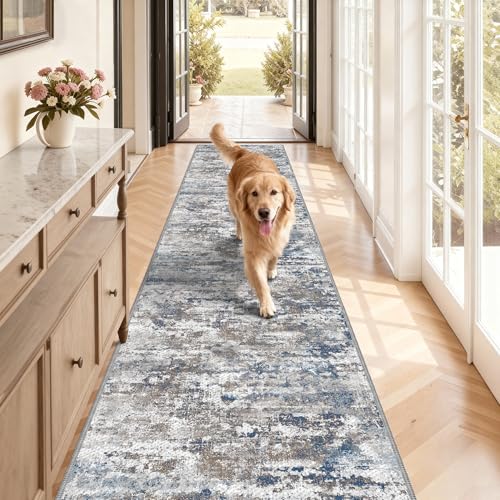
TTelephant Gorilla Grip Non-Slip Area Rug Runner
Washable non-slip runner for hallways and main walking paths


Musher's Secret Musher's Secret Paw Wax
Paw wax that improves traction on smooth floors
Quick Verdict
Carpet wins for traction and joint comfort, making it the better surface for arthritic dogs and dogs with mobility limitations. Tile wins for cleaning and incontinence management, as it does not absorb odors or harbor bacteria. Best approach: Use non-slip runners and area rugs on hard floors to create safe walking paths, giving your dog the traction of carpet with the cleanability of hard surfaces underneath.
The Real Solution
Most senior dog owners do not need to choose one or the other. Strategic use of washable rugs, non-slip runners, and traction aids lets you keep your existing floors while dramatically improving safety and comfort for your aging dog.
Tile Floors and Senior Dogs
Tile, stone, laminate, and hardwood floors share a common challenge for senior dogs: they are slippery. What looks beautiful and is easy to maintain for humans can be a genuine hazard for an aging dog whose paw pads have dried out, whose nails do not grip like they used to, and whose rear legs are weakened by arthritis or neurological changes.
Advantages of Tile for Senior Dog Households
- Easy incontinence cleanup: Urine, vomit, and diarrhea wipe up quickly without soaking in or leaving persistent odors
- Hygienic: Does not harbor allergens, bacteria, or odors the way carpet fibers can
- Temperature regulation: Cool tile provides natural relief for dogs who overheat, particularly in warm climates
- Durable: Resists scratching from nails and does not show wear patterns from repeated use
- Low maintenance: Sweeping and mopping is faster than vacuuming and shampooing carpet
Dangers of Tile for Senior Dogs
- Slipping and falls: The single biggest risk. Dogs can injure muscles, tendons, and joints when their paws slide
- Confidence loss: Dogs who have slipped often become reluctant to walk, reducing mobility further
- No cushioning: Hard surfaces increase impact on already painful joints with every step
- Difficulty rising: Getting up from a lying position on a slick surface is extremely difficult for dogs with weak rear legs
- Cold in winter: Cold tile can stiffen arthritic joints, especially for dogs who lie on the floor
Carpet and Senior Dogs
Carpet provides what tile cannot: traction and cushioning. For a dog with arthritis, weak legs, or neurological issues, carpet can be the difference between walking confidently and refusing to move. However, carpet comes with its own set of challenges for senior dog households.
Advantages of Carpet for Senior Dogs
- Excellent traction: Textured fibers provide natural grip for weakened paws and worn paw pads
- Joint cushioning: Absorbs impact, reducing stress on arthritic joints with every step
- Warmth: Insulates against cold, keeping joints more comfortable in cooler months
- Confidence: Dogs who are hesitant on hard floors often move freely and confidently on carpet
- Noise dampening: Reduces the sound of nails clicking, which can trigger anxiety in some dogs
- Safe falling surface: If a dog stumbles, carpet provides a softer landing
Challenges of Carpet with Senior Dogs
- Incontinence absorption: Urine soaks through to the pad and subfloor, creating lasting odor and potential mold issues
- Stain and odor retention: Even with enzymatic cleaners, repeated accidents leave permanent marks
- Allergen accumulation: Traps dust, dander, and tracked-in allergens that can affect dogs with respiratory issues
- Nail catching: Loop-pile and shag carpet can catch claws, causing trips and nail injuries
- Harder to keep clean: Requires regular vacuuming and periodic deep cleaning
Side-by-Side Comparison
| Factor | Tile / Hard Floor | Carpet |
|---|---|---|
| Traction | Poor; slippery when dry, dangerous when wet | Excellent; natural grip for paws |
| Joint comfort | Poor; hard impact on every step | Good; absorbs shock and cushions joints |
| Incontinence cleanup | Excellent; quick wipe, no absorption | Poor; soaks through, retains odor |
| Hygiene | Excellent; does not harbor bacteria | Fair; traps allergens and bacteria |
| Temperature | Cool (good in summer, bad in winter) | Warm (good in winter, neutral in summer) |
| Rising from lying | Difficult; paws slide on smooth surface | Much easier; grip helps push up |
| Fall injury risk | Higher; hard surface plus slipping | Lower; cushioned and slip-resistant |

The Best Solutions: Making Any Floor Senior-Dog Friendly
For Tile and Hard Floor Homes
You do not have to rip out your tile to make it safe. These solutions create traction where your dog needs it most:
- Non-slip runners: Place washable, rubber-backed runners along your dog's main routes -- from bed to water bowl, bed to door, bed to food
- Area rugs with grip pads: Position rugs in areas where your dog lies down and gets up, where traction matters most
- Toe grips: Small rubber rings that slip over your dog's nails and provide grip on any hard surface -- one of the most effective single solutions available
- Paw wax: Applied to paw pads, wax like Musher's Secret improves grip and also moisturizes dry, cracked pads
- Dog socks with grips: Socks with rubber treads on the bottom provide traction, though many dogs need time to accept them
- Interlocking foam or rubber mats: Gym-style mats create cushioned, non-slip walking surfaces
Hard Floor Traction Products
- Dr. Buzby's ToeGrips - Instant traction on any hard surface, no modification needed
- Washable Non-Slip Runners - Create safe pathways throughout your home
- Interlocking Foam Floor Mats - Cushioned, non-slip surfaces for key areas
For Carpet Homes with Incontinence
If your dog benefits from carpet but incontinence is creating problems, these solutions protect your flooring while maintaining traction:
- Washable carpet tiles: Modular tiles like FLOR let you replace individual tiles when they are soiled rather than cleaning the whole carpet
- Waterproof pads under beds: Place waterproof incontinence pads beneath and around your dog's favorite lying spots
- Indoor-outdoor carpet: Polypropylene fibers resist staining and can be cleaned more aggressively than traditional carpet
- Enzymatic cleaners: Treat accidents immediately with enzymatic cleaners that break down urine at the molecular level, not just mask the smell
- Belly bands and diapers: For dogs with frequent accidents, washable belly bands or diapers manage the issue at the source
Carpet Protection Products
- Modular Washable Carpet Tiles - Replace individual tiles instead of cleaning entire carpet
- Waterproof Incontinence Pads - Protect carpet under your dog's sleeping areas
- Enzymatic Pet Urine Cleaners - Break down urine odors at the molecular level
Our Recommendation
The ideal approach for most senior dog households combines the strengths of both surfaces. Keep your existing hard floors but create traction pathways with washable runners and rugs along your dog's most-used routes. In areas where your dog spends significant time lying down, add cushioned mats or an orthopedic bed with a non-slip bottom.
If your home is fully carpeted and your dog is incontinent, consider replacing high-traffic areas with washable carpet tiles or indoor-outdoor carpet that can withstand frequent cleaning. The goal is always the same: give your dog enough traction to move confidently while making cleanup manageable for you.
And regardless of flooring type, keep your dog's nails trimmed short. Overgrown nails are one of the most overlooked causes of slipping on any surface, because they push the paw pad -- the part with natural grip -- up off the floor.

Full reviews
If replacing the floor is not realistic, our Dr Buzby's ToeGrips review covers the cheapest change most households can make, which is putting the grip on the dog rather than on the floor, and our Dremel PawControl review covers keeping nails at the length good traction needs.
Related Guides
- Ramps vs Stairs for Senior Dogs - Another key home modification comparison
- Best Orthopedic Beds for Older Dogs - Supportive surfaces for resting areas
- Signs Your Old Dog Is in Pain - Reluctance to walk may indicate pain, not just floor issues
- Managing Chronic Pain in Older Dogs - Comprehensive approaches to comfort
Editor's Pick · Affiliate link
An Orthopedic Bed for a Stiff Senior Dog
A supportive memory-foam bed is the cheapest change that visibly helps an arthritic dog get up more easily. Waterproof and washable matters more with age.
Frequently Asked Questions
What is the best flooring for a senior dog with arthritis?
The best flooring for an arthritic senior dog provides traction without being too soft to walk on. Low-pile carpet or carpet tiles offer a good balance of grip and support. If you have hard floors, non-slip runners or interlocking rubber mats placed along your dog's main walking routes provide the traction they need without replacing your flooring. Avoid high-pile or shag carpet, which can catch claws and make walking harder for unsteady dogs.
How do I stop my senior dog from slipping on tile floors?
Several solutions can make tile floors safer for senior dogs. Non-slip area rugs and runners along main pathways are the simplest fix. Paw grip wax or balm applied to your dog's paw pads increases traction. Toe grips, which are small rubber rings placed on your dog's toenails, provide grip on smooth surfaces. Keeping nails trimmed short also improves traction, as overgrown nails force the paw pads off the floor. For high-traffic areas, adhesive non-slip strips can be applied directly to tile.
Is carpet bad for senior dogs with incontinence?
Carpet can be challenging with incontinent dogs because urine soaks into the fibers and pad underneath, creating persistent odors and potential bacterial growth even after surface cleaning. However, washable carpet tiles like FLOR or indoor-outdoor carpet offer a practical compromise. They provide the traction of carpet while being removable and washable when accidents happen. Pairing carpet with waterproof pads in the areas where your dog lies down can also manage incontinence effectively.
Should I remove my carpet for an older dog?
Not necessarily. If your dog has good traction on the carpet and no incontinence issues, carpet is often the most joint-friendly flooring option. Its cushioning reduces impact on arthritic joints, and its texture provides natural grip. Only consider removing carpet if incontinence has become unmanageable, the carpet is harboring odors or allergens despite cleaning, or your dog's nails are catching in the fibers causing them to trip.
Do dog toe grips really work on tile and hardwood?
Yes, toe grips are highly effective for many senior dogs. These small rubber rings fit over the nails and make contact with the floor surface, providing traction similar to how rubber-soled shoes work for humans. They are particularly helpful on tile, hardwood, and laminate. They take a day or two for most dogs to adjust to, and they need to be replaced periodically as they wear down. They work best when nails are properly trimmed.
What type of rug is best for senior dogs?
Look for rugs with a non-slip rubber backing and a low, tight-weave pile. Washable rugs are ideal since accidents are common with older dogs. Avoid rugs with fringe or loose loops that can catch on claws. Indoor-outdoor rugs made from polypropylene are durable, washable, and provide good traction. Rubber-backed runners in hallways and along main walking routes create safe paths through your home.
Can slippery floors cause injury in senior dogs?
Absolutely. Slippery floors are one of the most common causes of soft-tissue injuries, joint sprains, and confidence loss in senior dogs. A dog who slips and does the splits can strain muscles or tear ligaments. Beyond acute injuries, the chronic stress of walking on slippery surfaces forces dogs to tense muscles constantly for balance, worsening existing pain. Many dogs develop a visible reluctance to move on slick floors, which reduces their activity level and accelerates deconditioning.
Need more help with your aging dog?
Browse our guides by topic to find practical solutions.
Wellness Planner, $39