Senior Miniature Pinscher Care Guide
Complete care guide for aging Miniature Pinschers covering luxating patella, dental disease, PRA eye problems, and cold sensitivity with product picks.
The Miniature Pinscher, often called the "King of Toys," packs an extraordinary amount of confidence, energy, and personality into a tiny frame. These fearless little dogs strut through life with the self-assurance of a dog ten times their size. But as Min Pins enter their senior years around age 9-10, their small bodies face a specific set of challenges: kneecap problems, bone disease, dental deterioration, progressive eye conditions, and a near-total intolerance for cold weather. Understanding these breed-specific vulnerabilities allows you to provide the targeted care your senior Miniature Pinscher needs to thrive well into their teens.
Top Picks for Senior Miniature Pinschers
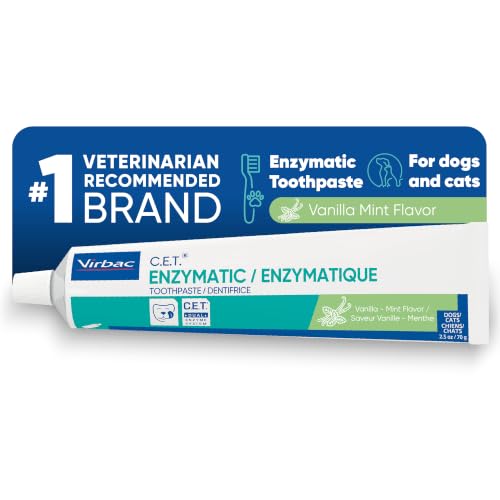
Virbac Virbac C.E.T. Enzymatic Dog Toothpaste Kit
Veterinary enzymatic toothpaste with dual enzyme system plus finger brush sized for small breeds.

Vet Classics Joint Support Plus
Comprehensive joint supplement in small, chewable wafer form perfect for toy breeds.

Blue Buffalo Life Protection Small Breed Senior
Specially formulated small-breed senior kibble with glucosamine, omega-3s, and antioxidants.

Lightweight, snug-fitting fleece vest designed for small breeds. Easy on/off with Velcro closure.
When Does a Miniature Pinscher Become a Senior?
Miniature Pinschers typically enter their senior years around 9-10 years of age. With an average lifespan of 12-16 years, many Min Pins enjoy a lengthy senior phase that can span a quarter of their entire life. Their small size is a longevity advantage, but it also makes them vulnerable to specific orthopedic and dental conditions that worsen with age.
Begin biannual veterinary checkups around age 8-9, with dental evaluations, orthopedic assessments, and eye exams as key components. Blood work should screen for metabolic changes and organ function, particularly as toy breeds can develop hypoglycemia and liver shunt issues.
Luxating Patella: The Min Pin's Knee Problem
Luxating patella is one of the most common orthopedic conditions in Miniature Pinschers. The condition occurs when the kneecap slides out of the groove in the femur where it normally sits, causing the leg to temporarily lock or skip. Many Min Pins have lived with intermittent patellar luxation their entire lives, but the condition typically worsens with age as the groove wears and arthritis develops.
Grades of Patellar Luxation
- Grade I: The kneecap can be manually pushed out of place but returns on its own. Rarely causes issues.
- Grade II: The kneecap spontaneously luxates during movement but can be manually repositioned. Most common grade requiring management.
- Grade III: The kneecap is out of place most of the time but can be temporarily repositioned manually. Often requires surgery.
- Grade IV: The kneecap is permanently displaced and cannot be repositioned. Surgical correction is necessary.
Senior Min Pins with Grade II-III luxation benefit from joint supplements, weight management, and in some cases a supportive knee brace. Surgical correction may be recommended if the condition is causing significant pain or lameness. For more on knee conditions, see our joint wraps and braces guide.
Legg-Calve-Perthes Disease
Like many toy breeds, Min Pins are predisposed to Legg-Calve-Perthes disease, a condition where blood supply to the femoral head (the ball of the hip joint) is disrupted, causing the bone to deteriorate. While this condition typically develops in puppyhood, the long-term arthritis and hip joint changes it creates become progressively painful through the senior years.
Dogs that underwent surgical correction (femoral head ostectomy) as puppies generally do well but need ongoing joint support. Those with undiagnosed or mild cases may develop significant hip pain as seniors. Management includes anti-inflammatory medications, glucosamine supplements, physical therapy, and maintaining a lean body weight.
Joint and Knee Support Products
- Small Dog Knee Braces - Supportive braces designed for toy and small breed knee conditions
- Joint Supplements for Small Dogs - Glucosamine and chondroitin in appropriately sized doses for toy breeds
- Small Breed Orthopedic Beds - Joint-cushioning memory foam sized for Miniature Pinschers
Dental Disease: A Critical Concern
Dental disease is arguably the most significant ongoing health challenge for senior Min Pins. Their small jaws and crowded teeth create an environment where plaque and tartar accumulate rapidly, leading to periodontal disease, gum recession, loose teeth, and eventual tooth loss. By the senior years, dental problems can become severe enough to cause chronic pain and affect eating ability.
The consequences extend beyond the mouth. Advanced periodontal disease allows bacteria to enter the bloodstream, potentially contributing to heart, liver, and kidney disease. This makes dental care not just a comfort issue but a whole-body health concern.
Dental Care Protocol for Senior Min Pins
- Daily brushing with enzymatic canine toothpaste using a finger brush or small-headed brush
- VOHC-approved dental chews sized appropriately for toy breeds
- Dental water additives to reduce bacterial load
- Professional veterinary dental cleanings as needed, typically annually
- Pre-anesthetic bloodwork is especially important for senior toy breeds before dental procedures
If your senior Min Pin has lost teeth and struggles with kibble, see our guide on the best dog food for dogs with no teeth.

Progressive Retinal Atrophy (PRA)
Miniature Pinschers are susceptible to progressive retinal atrophy (PRA), a group of inherited eye diseases that cause the photoreceptor cells in the retina to gradually degenerate. PRA typically begins with night blindness: your Min Pin may hesitate in dim light, bump into objects at dusk, or seem anxious in unfamiliar dark environments. Over time, the condition can progress to significant or complete vision loss.
Annual eye exams can detect PRA before symptoms become obvious. While there is no cure, antioxidant supplements supporting eye health and maintaining a consistent home environment help affected dogs adapt. For more on vision loss, visit our blindness in senior dogs guide.
Cold Sensitivity: Keeping Your Min Pin Warm
Miniature Pinschers have an extremely short, single-layer coat and very little body fat, making them one of the most cold-sensitive breeds. Senior Min Pins are even more vulnerable as they lose muscle mass, their metabolism slows, and circulation may decline.
- Invest in well-fitting sweaters and coats for outdoor use in temperatures below 50F (10C)
- Consider indoor clothing for cool homes, especially at night
- Provide a heated dog bed or thermal pad for sleeping
- Keep walks shorter in cold weather and watch for shivering
- Dry your Min Pin thoroughly after rain or snow exposure
Warmth and Dental Care Products
- Small Breed Dog Sweaters - Cozy, well-fitting sweaters for cold-sensitive Miniature Pinschers
- Heated Dog Beds for Small Breeds - Thermostat-controlled warmth for cold-sensitive senior dogs
- Dental Care Kits for Small Dogs - Toothpaste and brushes designed for tiny mouths
Exercise and Mental Stimulation
Senior Miniature Pinschers retain their curious, active nature and need both physical exercise and mental stimulation. Two daily walks of 15-20 minutes provide adequate physical activity, while puzzle toys, training sessions, and interactive play satisfy their alert minds.
Avoid high-impact activities like jumping from furniture, which stresses their vulnerable knees. Provide pet stairs or ramps to beds and couches. For creative ways to keep your senior dog active, visit our exercises to strengthen old dog back legs guide.

Related Senior Dog Care Guides
- Blindness in Senior Dogs - Helping your dog adapt to progressive vision loss
- Glucosamine for Dogs - Complete joint supplement guide
- Best Dog Food for Dogs with No Teeth - Nutritional options for dogs with dental issues
- Best Heated Dog Beds - Keep your cold-sensitive Min Pin warm and comfortable
Frequently Asked Questions
At what age is a Miniature Pinscher considered senior?
Miniature Pinschers are generally considered senior around 9-10 years of age. Their average lifespan is 12-16 years, so the senior phase can last several years. Like many small breeds, they tend to live longer than larger dogs but are susceptible to specific conditions that require proactive monitoring.
What is luxating patella in Miniature Pinschers?
Luxating patella is a condition where the kneecap (patella) slips out of its normal groove in the femur. It is one of the most common orthopedic conditions in Min Pins and other toy breeds. Severity is graded from I to IV, with Grade I being intermittent and self-correcting, and Grade IV being permanently displaced. Over time, the condition worsens and leads to arthritis in the knee joint.
Do Miniature Pinschers get Legg-Perthes disease?
Yes, Miniature Pinschers are among the toy and small breeds predisposed to Legg-Calve-Perthes disease, where the blood supply to the femoral head (top of the thigh bone) is disrupted, causing bone degeneration. While the condition typically develops in puppyhood, the resulting arthritis progresses throughout life and becomes more painful in the senior years.
Why do Miniature Pinschers have so many dental problems?
Min Pins have small jaws that often lead to overcrowded teeth, which trap food debris and bacteria. Their small mouths make brushing more difficult, and toy breeds naturally produce less saliva relative to their dental surface area. By the senior years, many Min Pins have significant periodontal disease, loose teeth, and potential tooth loss if regular dental care has not been maintained.
Do Miniature Pinschers need sweaters in winter?
Yes, Miniature Pinschers have very short, single-layer coats and virtually no body fat, making them extremely susceptible to cold. Senior Min Pins are even more cold-sensitive as they lose muscle mass and their metabolism slows. A well-fitting sweater or coat is essential for outdoor walks in temperatures below 50°F (10°C), and many benefit from indoor clothing in cool homes.
What eye problems do senior Miniature Pinschers get?
Senior Min Pins can develop progressive retinal atrophy (PRA), cataracts, and glaucoma. PRA causes gradual vision loss starting with night blindness and potentially progressing to full blindness. Cataracts appear as clouding of the lens. Annual eye exams can detect these conditions early, and antioxidant eye supplements may provide supportive benefit.
How do I keep my senior Miniature Pinscher's weight healthy?
Even small weight gains have a significant impact on a toy breed's joints and overall health. Feed measured portions of a high-quality small-breed senior formula and limit treats to no more than 10% of daily calories. Regular weigh-ins help track trends. Your Min Pin should have a visible waist when viewed from above and a tucked abdomen from the side.
Need more help with your aging dog?
Browse our guides by topic to find practical solutions.
Wellness Planner, $39