Senior Lhasa Apso Care Guide
Expert care guide for aging Lhasa Apsos covering kidney disease, dry eye, PRA, dental disease, and grooming needs with recommended products.
The Lhasa Apso is a breed steeped in history, originally bred as sentinel dogs in Tibetan monasteries over a thousand years ago. These dignified, independent little dogs possess a regal bearing that belies their compact size. With remarkable longevity often reaching 15-18 years, Lhasa Apsos spend a significant portion of their lives as seniors. Their golden years, however, come with breed-specific challenges: a predisposition to kidney disease, various eye conditions including dry eye and PRA, dental disease, and demanding grooming needs. This guide covers everything you need to know to provide exceptional care for your aging Lhasa Apso through their extended senior years.
Top Picks for Senior Lhasa Apsos

Vetoquinol Azodyl Kidney Health Supplement
Probiotic-based supplement that supports kidney function by helping break down uremic toxins in the gut.

Long-lasting lubricating eye gel that provides moisture and protection for dogs with dry eye conditions.
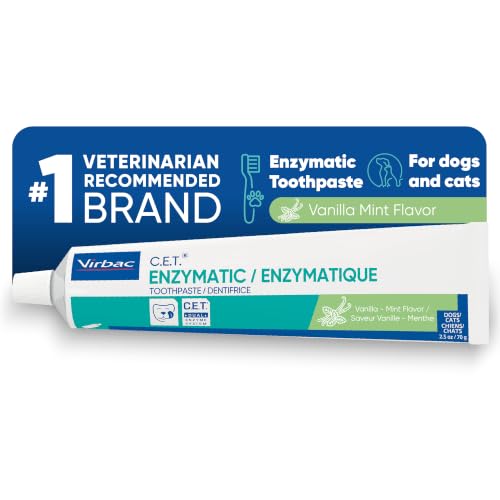
Virbac Virbac C.E.T. Enzymatic Dog Toothpaste
Veterinary enzymatic toothpaste with dual enzyme system for daily dental hygiene in small breeds.

Chris Christensen Chris Christensen Slicker Brush
Professional-quality slicker brush gentle enough for daily use on long Lhasa Apso coats.
When Does a Lhasa Apso Become a Senior?
Lhasa Apsos are generally considered senior around 9-10 years of age, but this milestone is relative given the breed's exceptional longevity. With an average lifespan of 12-15 years and many individuals living to 17-18 years or even beyond, the senior phase can encompass a full third of a Lhasa Apso's life. This extended senior period makes ongoing health monitoring and proactive care especially important.
Begin biannual veterinary visits around age 8-9. Key screening should include comprehensive blood work with kidney values (BUN, creatinine, SDMA), urinalysis, ophthalmic examination, and dental assessment. Early detection of kidney decline is particularly valuable in this breed, as it allows dietary and medical interventions to begin before significant damage occurs.

Kidney Disease: The Lhasa Apso's Primary Concern
Lhasa Apsos have a well-documented breed predisposition to kidney disease, including hereditary renal dysplasia (malformed kidneys) and progressive chronic kidney disease (CKD). Some Lhasa Apsos are born with structurally underdeveloped kidneys that function adequately during youth but have reduced reserve capacity. As these dogs age, kidney function declines faster than in breeds with normal renal development.
Signs of Kidney Disease
- Increased thirst and water consumption (polydipsia)
- Increased urination and larger volumes of dilute urine (polyuria)
- Decreased appetite and gradual weight loss
- Nausea, vomiting, or lip licking
- Bad breath with a chemical or ammonia-like odor
- Lethargy and decreased activity
- Mouth ulcers in advanced stages
Managing Kidney Disease
Early-stage kidney disease can often be managed effectively for months to years with appropriate interventions:
- Therapeutic kidney diet with restricted phosphorus and moderate, high-quality protein
- Hydration support: ensure constant access to fresh water, add water to meals, and consider subcutaneous fluids at home as the disease progresses
- Phosphorus binders to reduce phosphorus absorption from food
- Kidney support supplements containing omega-3 fatty acids, B vitamins, and probiotics that help manage uremic toxins
- Regular monitoring with blood work and urinalysis every 3-6 months
For comprehensive guidance, see our kidney disease in senior dogs guide and our best supplements for dogs with kidney disease resource.
Kidney Health Products
- Kidney Support Supplements - Probiotic and nutrient formulas supporting renal function and toxin management
- Renal Diet Dog Food - Veterinary-formulated diets with controlled phosphorus for kidney disease management
- Dog Water Fountains - Encourage increased water intake with flowing, filtered water
Eye Problems in Senior Lhasa Apsos
The Lhasa Apso's prominent eyes and facial structure make them susceptible to multiple eye conditions that can worsen or develop during the senior years.
Dry Eye (Keratoconjunctivitis Sicca)
Dry eye is one of the most common eye conditions in Lhasa Apsos. It occurs when the lacrimal glands fail to produce sufficient tears, leaving the cornea dry, irritated, and vulnerable to infection and ulceration. Signs include thick, yellow-green discharge, redness, squinting, and a dull corneal appearance. Without treatment, chronic dry eye leads to corneal scarring and vision loss.
Treatment is lifelong and involves cyclosporine or tacrolimus eye drops to stimulate remaining tear production, plus artificial tear lubricants applied several times daily. Consistency with medication is essential for maintaining eye comfort and preserving vision.
Progressive Retinal Atrophy (PRA)
PRA causes gradual degeneration of the retinal photoreceptor cells, beginning with night blindness and potentially progressing to complete blindness. While there is no cure, early identification allows you to prepare your home and train your dog with verbal cues. For more details, see our blindness in senior dogs guide.
Other Eye Concerns
Cataracts, corneal ulcers from facial hair irritation, and cherry eye can all affect senior Lhasa Apsos. Keep facial hair trimmed well away from the eyes and schedule annual ophthalmic exams with your veterinarian.
Dental Disease in Senior Lhasa Apsos
Like most small breeds, Lhasa Apsos are highly susceptible to periodontal disease. Their small jaws create crowded conditions that trap bacteria and accelerate plaque and tartar formation. By the senior years, many Lhasa Apsos have significant gum disease, loose teeth, and potential tooth loss.
For Lhasa Apsos, dental health carries an extra dimension of importance: bacteria from periodontal disease can further burden already vulnerable kidneys. Maintaining excellent dental hygiene is therefore critical not just for oral comfort but for protecting overall organ health.
- Daily brushing with enzymatic canine toothpaste
- VOHC-approved dental chews for supplemental cleaning
- Professional dental cleanings as recommended by your veterinarian
- Extra caution with anesthesia for dental procedures in dogs with kidney disease, with pre-anesthetic blood work and IV fluid support

Grooming Your Senior Lhasa Apso
The Lhasa Apso's beautiful, floor-length double coat is one of the breed's defining features but also one of its biggest care demands. Senior Lhasa Apsos may become less tolerant of grooming sessions, making the process more challenging as they age.
Grooming Options
- Full coat: Requires daily brushing to prevent matting, with professional grooming every 4-6 weeks. Use a quality slicker brush and comb, working through the coat in small sections.
- Puppy cut: Many senior Lhasa Apso owners switch to a shorter trim for easier maintenance. Still requires regular brushing and grooming every 6-8 weeks.
- Eye area: Regardless of coat style, keep hair trimmed away from the eyes to prevent corneal irritation and improve vision, especially important for dogs with existing eye conditions.
- Ear care: Clean ears weekly and keep hair inside the ear canal trimmed to prevent moisture buildup and infections.
Eye Care and Grooming Products
- Lubricating Eye Drops - Artificial tears for daily comfort in dogs with dry eye conditions
- Gentle Slicker Brushes - Professional-quality brushes for daily coat maintenance
- Ear Cleaning Solutions - Gentle, effective ear cleaners for weekly maintenance
Nutrition for Senior Lhasa Apsos
Senior Lhasa Apsos with normal kidney function benefit from a high-quality senior dog food formulated for small breeds, with added joint support and antioxidants. For those with kidney disease, a veterinary-prescribed renal diet with controlled phosphorus and moderate protein is essential.
Regardless of diet type, ensure your Lhasa Apso stays well-hydrated. Adding water or low-sodium broth to meals increases fluid intake, which supports kidney function. Small, frequent meals may be easier on the digestive system than one or two large meals per day.
Related Senior Dog Care Guides
- Kidney Disease in Senior Dogs - Comprehensive guide to renal health management
- Best Supplements for Dogs with Kidney Disease - Support your Lhasa Apso's kidney health
- Blindness in Senior Dogs - Adapting to progressive vision loss
- Best Orthopedic Beds for Older Dogs - Comfortable rest for your aging Lhasa Apso
Frequently Asked Questions
At what age is a Lhasa Apso considered senior?
Lhasa Apsos are generally considered senior around 9-10 years of age. However, this breed is known for exceptional longevity, with an average lifespan of 12-15 years and many individuals living to 17-18 years or beyond. This means the senior phase can last a significant portion of their life, making ongoing health management essential.
Do Lhasa Apsos get kidney disease?
Yes, Lhasa Apsos have a breed predisposition to renal dysplasia (a hereditary kidney malformation) and progressive chronic kidney disease. Some Lhasa Apsos are born with underdeveloped kidneys that function adequately in youth but deteriorate faster with age. Regular blood work and urinalysis can detect declining kidney function early, allowing dietary and medical interventions to slow progression.
What eye problems are common in senior Lhasa Apsos?
Lhasa Apsos are prone to several eye conditions including keratoconjunctivitis sicca (dry eye), progressive retinal atrophy (PRA), cherry eye, and cataracts. Their prominent eyes and long facial hair can also cause corneal irritation and ulcers. Regular eye exams and keeping facial hair trimmed away from the eyes are important preventive measures.
How do I manage dry eye in my senior Lhasa Apso?
Dry eye (keratoconjunctivitis sicca or KCS) occurs when the tear glands produce insufficient tears, leading to dry, irritated, and potentially damaged corneas. Treatment typically involves lifelong use of cyclosporine or tacrolimus eye drops to stimulate tear production, along with artificial tear lubricants applied several times daily. Consistent treatment is essential to prevent corneal scarring and vision loss.
Why is dental care so important for senior Lhasa Apsos?
Like many small breeds, Lhasa Apsos are highly prone to periodontal disease due to their small, crowded mouths. Dental disease is more than a mouth problem: bacteria from infected gums can spread to the kidneys, worsening any existing kidney disease. For Lhasa Apsos already at risk for kidney problems, maintaining excellent dental health is doubly important.
How often should a senior Lhasa Apso be groomed?
Senior Lhasa Apsos in a full coat need daily brushing and professional grooming every 4-6 weeks. Many owners opt for a shorter puppy cut, which requires less daily maintenance but still needs regular brushing and grooming every 6-8 weeks. Regardless of coat length, keep the hair around the eyes trimmed short to prevent irritation, and clean the facial folds and ears regularly.
Are Lhasa Apsos good candidates for anesthesia as seniors?
Lhasa Apsos with kidney disease require extra caution with anesthesia, as many anesthetic agents are processed by the kidneys. Pre-anesthetic blood work is essential, and IV fluid support during and after procedures helps protect kidney function. However, necessary procedures like dental cleanings should not be avoided solely due to age. Discuss the risk-benefit analysis with your veterinarian.
Need more help with your aging dog?
Browse our guides by topic to find practical solutions.
Wellness Planner, $39