Senior Chow Chow Care Guide
Complete care guide for aging Chow Chows covering hip and elbow dysplasia, entropion eye surgery, skin issues, and heat sensitivity management.
The Chow Chow is one of the world's most ancient and distinctive dog breeds, with a history spanning over 2,000 years. Their lion-like mane, blue-black tongue, and dignified, almost cat-like independence make them unmistakable. As these proud dogs enter their senior years around age 7-8, their unique physical characteristics create specific health challenges that require specialized understanding. From severe joint dysplasia to painful eye conditions, chronic skin issues, and dangerous heat sensitivity, senior Chow Chows demand attentive, informed care. This guide provides the breed-specific knowledge you need to keep your aging Chow Chow comfortable, healthy, and dignified through their golden years.
Top Picks for Senior Chow Chows

Ocu-GLO Ocu-GLO Vision Supplement
Veterinary ophthalmologist-developed antioxidant eye supplement supporting corneal health and tear production.

K&H Pet Products The Green Pet Shop Cooling Mat
Pressure-activated gel cooling mat requiring no electricity or water. Provides relief for heat-sensitive breeds.

Veterinarian-recommended joint supplement with glucosamine, chondroitin, and MSM for hip and elbow support.
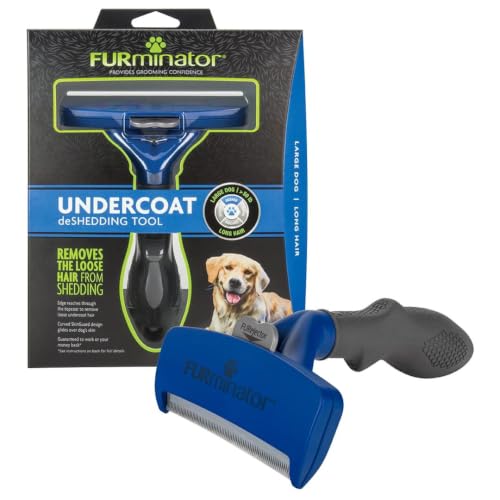
Furminator Undercoat Deshedding Tool
Professional deshedding tool that removes loose undercoat without cutting the topcoat. Essential for double-coated breeds.
When Does a Chow Chow Become a Senior?
Chow Chows typically enter their senior years around 7-8 years of age, with an average lifespan of 8-12 years. This relatively shorter lifespan for a medium-to-large breed means the transition to senior status comes earlier than many owners expect. Their naturally stoic, independent demeanor can mask discomfort and illness, making regular veterinary screening indispensable.
Begin biannual veterinary visits by age 6-7, including hip and elbow radiographs, ophthalmic examination, thyroid panel, and comprehensive blood work. Chow Chows are notoriously difficult patients for veterinary exams, so building a positive relationship with the veterinary team early helps reduce stress during senior screening visits.
Hip and Elbow Dysplasia: A Structural Challenge
Chow Chows are among the breeds most severely affected by both hip dysplasia and elbow dysplasia. Their unique straight-legged rear angulation, compact heavy build, and genetic predisposition combine to create a near-perfect storm for joint disease. By the senior years, the vast majority of Chow Chows have some degree of degenerative joint disease in their hips, elbows, or both.
The breed's characteristic stiff, stilted gait can make it difficult to distinguish normal Chow Chow movement from pain-related changes. Watch for these more reliable indicators of joint pain:
- Difficulty rising from a lying position, especially after long rest
- Reluctance to climb stairs or jump
- Decreased willingness to walk distances they previously enjoyed
- Shifting weight from one leg to another while standing
- Muscle wasting in the thighs or shoulders
- Behavioral changes: increased irritability, snapping when touched in certain areas
Joint Management Program
- Daily glucosamine and chondroitin supplements at appropriate doses for their weight
- Omega-3 fatty acid supplementation for natural anti-inflammatory benefits
- Strict weight management: even moderate excess weight dramatically worsens joint pain
- Anti-inflammatory medications (NSAIDs or alternatives) as prescribed by your veterinarian
- A thick orthopedic memory foam bed to cushion painful joints
- Non-slip flooring solutions throughout the home
- Hydrotherapy for therapeutic exercise in a buoyant environment
For a comprehensive overview of hip joint disease, see our hip dysplasia in older dogs guide.
Joint Support Products
- Joint Supplements for Large Dogs - Glucosamine, chondroitin, and MSM formulas for comprehensive joint support
- Thick Orthopedic Dog Beds - 7-inch memory foam beds providing maximum joint cushioning
- Dog Ramps - Eliminate painful jumping onto furniture and into vehicles
Entropion: The Chow Chow's Eye Challenge
Chow Chows are among the breeds most commonly affected by entropion, a condition where the eyelid, typically the lower lid, rolls inward so that the eyelashes and facial hair rub against the cornea. This constant friction causes chronic pain, excessive tearing, corneal ulcers, and scarring that can permanently damage vision.
Many Chow Chows have entropion surgically corrected earlier in life, but the condition can recur or new problems can develop in the senior years as facial tissue changes with age. Signs include:
- Excessive tearing or discharge from the eyes
- Squinting or holding the eye partially closed
- Redness and inflammation around the eyes
- Pawing at the face
- Visible inward rolling of the eyelid
- Corneal cloudiness or vascularization (blood vessel growth on the cornea)
Surgical correction is the definitive treatment. In senior dogs who are not ideal surgical candidates, medical management with lubricating eye drops and anti-inflammatory eye medications can provide comfort. Regular ophthalmic exams are essential for early detection. For more on eye health, see our blindness in senior dogs guide.
Skin Issues and Coat Care
The Chow Chow's magnificent double coat, while beautiful, creates unique skin challenges. The dense undercoat traps heat and moisture against the skin, creating conditions favorable for bacterial pyoderma, hot spots, and fungal infections. Senior Chow Chows may develop worsening skin allergies, follicular dysplasia, and increased susceptibility to skin infections.
Coat and Skin Care Protocol
- Brush thoroughly 3-4 times per week with an undercoat rake and slicker brush, working all the way down to the skin
- During shedding season (twice yearly), daily brushing and professional grooming are essential
- Never shave a Chow Chow's coat, as this damages the coat structure and impairs temperature regulation
- Bathe only when necessary with a gentle dog shampoo, and dry thoroughly with a high-velocity dryer to prevent moisture trapped in the undercoat
- Check skin during grooming for hot spots, redness, or unusual bumps
- Omega-3 supplements support skin health from within

Heat Sensitivity: A Serious Concern
Chow Chows are extremely heat-sensitive, a consequence of their extraordinarily dense double coat developed for harsh Asian winters. Heatstroke is a genuine life-threatening risk for this breed, and the danger increases in the senior years as the cardiovascular system becomes less efficient and overall heat tolerance declines.
Heat Safety Measures
- Air conditioning is essential during warm months, not optional
- Limit outdoor time when temperatures exceed 75F (24C)
- Walk only during the coolest parts of the day: early morning and evening
- Provide cooling mats throughout the home
- Keep fresh, cool water available at all times
- Consider a cooling vest for necessary outdoor trips
- Watch for signs of heatstroke: excessive panting, drooling, bright red gums, wobbling, collapse
Cooling and Grooming Products
- Pressure-Activated Cooling Mats - No-electricity cooling relief for heat-sensitive breeds
- Evaporative Cooling Vests - Wearable cooling for essential outdoor trips in warm weather
- Undercoat Deshedding Tools - Remove dead undercoat to improve air circulation to the skin
Exercise for Senior Chow Chows
Chow Chows are naturally low-energy dogs, and senior Chow Chows require only modest daily activity. Two short walks of 15-20 minutes during cool parts of the day are typically sufficient. Their joint problems and heat sensitivity make overexertion genuinely dangerous.
Indoor mental stimulation through puzzle toys, gentle training exercises, and calm interaction provides engagement without physical stress. For safe exercise options, visit our exercises to strengthen old dog back legs guide.

Related Senior Dog Care Guides
- Hip Dysplasia in Older Dogs - Comprehensive guide to joint disease management
- Blindness in Senior Dogs - Understanding and managing eye conditions
- Best Cooling Mats for Senior Dogs - Essential cooling solutions for heat-sensitive breeds
- Weight Management for Older Dogs - Keeping your Chow Chow at a healthy weight
Frequently Asked Questions
At what age is a Chow Chow considered senior?
Chow Chows are generally considered senior around 7-8 years of age. Their average lifespan is 8-12 years, making them a shorter-lived breed compared to similar-sized dogs. Begin biannual veterinary screenings around age 6, with particular attention to hip and elbow evaluations, eye exams, and thyroid testing.
Why do Chow Chows have so many joint problems?
Chow Chows have a unique straight-legged rear structure and a heavy, compact build that places unusual biomechanical stress on the hip and elbow joints. Combined with a genetic predisposition to both hip and elbow dysplasia, this structural makeup means the majority of Chow Chows develop significant joint problems by the senior years. Their characteristic stiff gait can mask early pain signs.
What is entropion and why is it common in Chow Chows?
Entropion is a condition where the eyelid rolls inward, causing the eyelashes and fur to rub against the cornea. This causes chronic pain, tearing, corneal ulcers, and potentially vision loss. Chow Chows are among the breeds most commonly affected due to their facial structure with deep-set eyes and excess facial skin. Surgical correction is the definitive treatment.
Are Chow Chows sensitive to heat?
Extremely. Chow Chows have one of the thickest double coats of any breed, originally developed for Siberian and Mongolian winters. This magnificent coat becomes a liability in warm weather, making Chow Chows highly susceptible to heatstroke. Senior Chow Chows are even more vulnerable as their cooling mechanisms become less efficient with age. Air conditioning, cooling mats, and avoiding outdoor activity in heat are essential.
Should I shave my senior Chow Chow's coat in summer?
No, you should never shave a Chow Chow's double coat. The undercoat actually provides insulation against both cold and heat, and shaving can cause permanent coat damage, sunburn, and paradoxically makes the dog less able to regulate temperature. Instead, keep the coat well-brushed to remove dead undercoat, use cooling mats and vests, and limit outdoor time during warm weather.
What skin problems do senior Chow Chows develop?
Chow Chows are prone to several skin conditions including allergic dermatitis, hot spots, pyoderma (bacterial skin infections), and follicular dysplasia. Their dense double coat can trap moisture and heat against the skin, creating ideal conditions for bacterial and fungal growth. Regular grooming, thorough drying after bathing, and prompt treatment of any skin changes help manage these conditions.
How much exercise does a senior Chow Chow need?
Senior Chow Chows are naturally low-energy and require only moderate exercise. Two short walks of 15-20 minutes daily during cool parts of the day are typically sufficient. Avoid exercise in temperatures above 75°F (24°C). Indoor play and gentle mental stimulation through puzzle toys provide activity without heat risk. Watch for excessive panting or reluctance to continue, which indicate the need to stop.
Need more help with your aging dog?
Browse our guides by topic to find practical solutions.
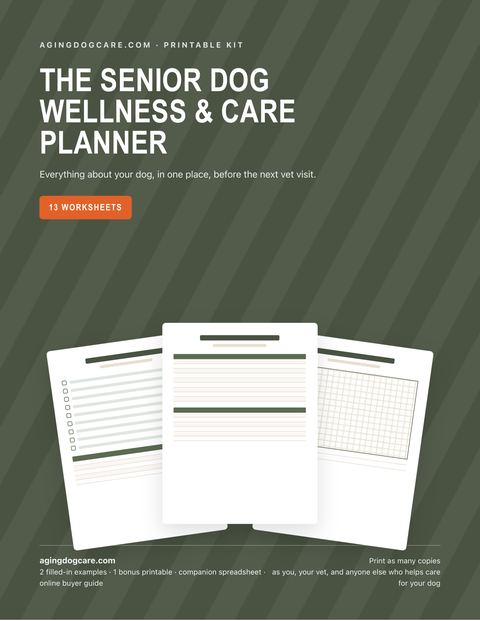
Wellness Planner, $39