Senior Akita Care Guide
Comprehensive care guide for aging Akitas covering autoimmune conditions, hip dysplasia, bloat prevention, thyroid disease, and product recommendations.
The Akita is a breed of remarkable presence, loyalty, and quiet strength. Originally bred in Japan as a guardian and hunting dog, Akitas bring a dignified, devoted companionship to their families that is unmatched in the dog world. As these powerful dogs enter their senior years around age 7-8, they face a unique combination of health challenges: a pronounced susceptibility to autoimmune diseases, hip dysplasia, the ever-present danger of bloat, and thyroid conditions requiring breed-specific interpretation. This comprehensive guide covers the care strategies, health monitoring, and products that will help you support your senior Akita through their golden years with the dignity and comfort they deserve.
Top Picks for Senior Akitas

URPOWER Elevated Dog Bowls (Large)
Adjustable raised feeding station promoting better digestion and reducing bloat risk in deep-chested breeds.
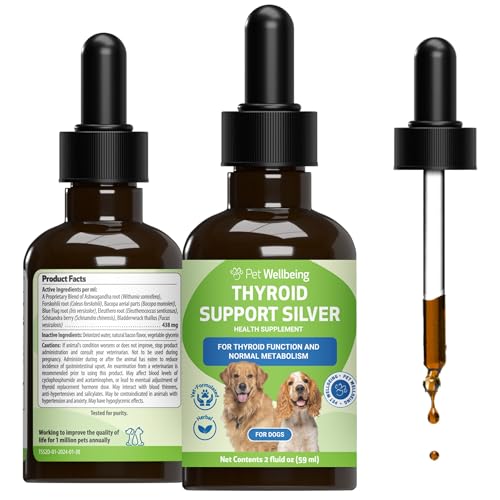
Nutritional supplement with iodine, tyrosine, and supportive nutrients for healthy thyroid function.

Nutramax Cosequin DS Plus MSM (Large)
Veterinarian-recommended joint supplement with glucosamine, chondroitin, and MSM for large breeds.

Big Barker Orthopedic Dog Bed (XL)
7-inch therapeutic foam bed in extra-large size, built for large breeds with a 10-year warranty.
When Does an Akita Become a Senior?
Akitas are generally considered senior around 7-8 years of age, with an average lifespan of 10-13 years. As a large to giant breed, they age faster than smaller dogs and their senior phase arrives earlier. The Akita's stoic nature can make it difficult to detect early signs of discomfort or illness, making regular veterinary screening especially important.
Begin biannual veterinary visits by age 7, with comprehensive screening including complete blood count, chemistry panel, thyroid levels (interpreted using breed-specific ranges), urinalysis, and orthopedic evaluation. Discuss bloat prevention strategies with your veterinarian at every visit.

Autoimmune Conditions: The Akita's Greatest Challenge
Akitas have one of the highest predispositions to autoimmune disease of any dog breed. Their immune system, while powerful against external threats, has a troubling tendency to turn against the body's own tissues. Understanding these conditions is essential for every Akita owner.
Sebaceous Adenitis
This autoimmune skin disease destroys the sebaceous (oil-producing) glands in the skin. Without these glands, the skin becomes dry, scaly, and the coat thins and becomes brittle. Signs include silvery scales adhering to the hair shaft, moth-eaten coat appearance, and musty odor. Treatment involves topical oil soaks, medicated shampoos, and sometimes immunosuppressive medications.
Uveodermatologic Syndrome (VKH-like)
This devastating autoimmune condition attacks melanin-containing cells throughout the body. It causes painful eye inflammation (uveitis) that can lead to glaucoma and blindness, along with loss of pigment in the nose, lips, eyelids, and footpads. Akitas are the breed most commonly affected. Immediate, aggressive immunosuppressive treatment is critical to preserve vision. If your Akita develops red, painful eyes or rapid pigment loss on the nose, seek veterinary attention immediately.
Pemphigus Foliaceus
This autoimmune skin disease causes the formation of pustules, crusts, and erosions, typically starting on the face and ears and spreading to other areas. It is the most common autoimmune skin disease in dogs, and Akitas are overrepresented. Treatment involves long-term immunosuppressive medications.
Immune-Mediated Blood Disorders
Akitas can develop immune-mediated hemolytic anemia (IMHA) and thrombocytopenia (ITP), where the immune system destroys red blood cells or platelets. Signs include pale gums, lethargy, dark urine, and spontaneous bleeding or bruising. These are emergency conditions requiring immediate treatment. For more on overall senior health, see our common health problems in senior dogs guide.
Autoimmune and Skin Care Products
- Immune Support Supplements - Antioxidant formulas to support balanced immune function
- Moisturizing Medicated Shampoo - Gentle formulas for dogs with autoimmune skin conditions
- Organic Coconut Oil for Dogs - Topical moisturizer for dry, flaky skin associated with sebaceous adenitis
Hip Dysplasia and Joint Care
As a large breed, Akitas are susceptible to hip dysplasia, a condition where abnormal hip joint development leads to progressive arthritis. Their substantial body weight, typically 70-130 pounds, places significant stress on the joints, accelerating degenerative changes in the senior years.
A comprehensive joint care program includes:
- Daily glucosamine and chondroitin supplements dosed for large breeds
- Omega-3 fatty acids for their natural anti-inflammatory properties
- Strict weight management: extra weight on an Akita's frame dramatically increases joint stress
- A large, thick orthopedic bed providing at least 5-7 inches of memory foam support
- Vehicle ramps to prevent jumping in and out of cars
- Anti-inflammatory medications as prescribed by your veterinarian for pain management
Bloat Prevention
Akitas are a deep-chested breed at significant risk for gastric dilatation-volvulus (GDV), the life-threatening condition commonly called bloat. The risk increases with age, and a bloat episode can be fatal within hours without emergency surgical intervention.
Prevention Strategies
- Feed 2-3 smaller meals daily rather than one large meal
- Use an elevated feeding station appropriate for your Akita's height
- Consider a slow feeder bowl if your Akita eats quickly
- Avoid vigorous exercise for one hour before and after meals
- Keep mealtimes calm and stress-free
- Discuss prophylactic gastropexy with your veterinarian
Know the emergency signs: distended abdomen, unproductive retching, restlessness, drooling, and signs of pain. If you observe these symptoms, go to an emergency veterinarian immediately.

Thyroid Disease in Akitas
Hypothyroidism is common in Akitas, but diagnosing it correctly requires breed-specific knowledge. Akitas naturally have lower circulating thyroid hormone levels than most other breeds. This means standard laboratory reference ranges may flag a perfectly healthy Akita as hypothyroid, leading to unnecessary treatment.
True hypothyroidism in Akitas causes weight gain despite normal food intake, lethargy, cold intolerance, skin and coat changes (dry, thinning coat), and sometimes behavioral changes. If your veterinarian suspects hypothyroidism, request that results be interpreted using Akita-specific reference ranges, and consider consulting a veterinary endocrinologist for borderline cases.
Treatment with synthetic thyroid hormone (levothyroxine) is straightforward and highly effective once the diagnosis is confirmed. For more on this condition, see our thyroid problems in older dogs guide.
Bloat Prevention and Thyroid Support
- Elevated Feeding Stations (XL) - Adjustable-height stands for large breed comfortable dining
- Slow Feeder Bowls for Large Dogs - Reduce eating speed to minimize bloat risk
- Thyroid Support Supplements - Nutritional formulas supporting healthy thyroid function
Exercise and Activity for Senior Akitas
Senior Akitas are not a high-energy breed in adulthood and are generally content with two moderate walks of 20-30 minutes daily. Their thick double coat makes them particularly susceptible to heat, so exercise during cooler parts of the day and always provide water. In warm climates, consider a cooling mat for post-exercise recovery.
Gentle mental stimulation through training exercises, puzzle feeders, and calm exploration satisfies the Akita's intelligent nature without overtaxing their aging body. For exercise ideas, see our exercises to strengthen old dog back legs guide.
Related Senior Dog Care Guides
- Hip Dysplasia in Older Dogs - Comprehensive joint disease management
- Thyroid Problems in Older Dogs - Understanding and managing thyroid conditions
- Best Orthopedic Beds for Older Dogs - Finding the right XL bed for your Akita
- Common Health Problems in Senior Dogs - Overview of age-related conditions
Frequently Asked Questions
At what age is an Akita considered senior?
Akitas are considered senior around 7-8 years of age. Their average lifespan is 10-13 years, which is moderate for a large breed. Due to their size and breed-specific health risks, proactive veterinary screening should begin around age 6 with biannual visits by age 7.
What autoimmune conditions do Akitas get?
Akitas are predisposed to several autoimmune conditions including sebaceous adenitis (a skin disease destroying the oil-producing glands), pemphigus foliaceus (an autoimmune skin blistering disease), uveodermatologic syndrome (VKH-like syndrome affecting skin and eyes), immune-mediated hemolytic anemia, and hypothyroidism (often autoimmune in origin). These conditions require lifelong management with immunosuppressive medications.
Are Akitas prone to bloat?
Yes, Akitas are a deep-chested breed at significant risk for gastric dilatation-volvulus (GDV), commonly called bloat. This life-threatening emergency occurs when the stomach fills with gas and potentially twists. Risk increases with age. Prevention includes feeding multiple smaller meals, using slow feeders or elevated bowls, and avoiding exercise around mealtimes. Know the signs and have an emergency veterinary plan.
Do Akitas have thyroid problems?
Yes, hypothyroidism is one of the most common endocrine disorders in Akitas. However, there is an important caveat: Akitas naturally have lower thyroid hormone levels than most other breeds. This means standard reference ranges may incorrectly diagnose a healthy Akita as hypothyroid. A veterinarian experienced with the breed should interpret thyroid results using Akita-specific reference ranges.
What is uveodermatologic syndrome in Akitas?
Uveodermatologic syndrome (similar to Vogt-Koyanagi-Harada syndrome in humans) is an autoimmune condition where the immune system attacks pigment-containing cells. It causes painful eye inflammation (uveitis) that can lead to blindness, along with loss of pigment in the nose, lips, and eyelids. Akitas are the breed most commonly affected. Aggressive immunosuppressive treatment is required to preserve vision.
How much exercise does a senior Akita need?
Senior Akitas need moderate daily exercise, typically two walks of 20-30 minutes at a comfortable pace. They are not a high-energy breed in adulthood and are generally content with moderate activity. Avoid exercising in heat, as their thick double coat makes them prone to overheating. Swimming can be beneficial for joint health, though not all Akitas are natural swimmers.
What size bed does a senior Akita need?
Senior Akitas need an extra-large orthopedic bed, typically 48 inches or larger, with memory foam at least 5-7 inches thick. Look for beds with bolstered edges for head support, waterproof liners, and removable washable covers. The bed should be large enough for your Akita to fully stretch out without hanging off the edges.
Need more help with your aging dog?
Browse our guides by topic to find practical solutions.
Wellness Planner, $39