Best Harness for Senior Labradors (2026)
Best support harnesses for senior Labradors. Rear-lift mobility aids, no-pull options, and swim-safe harnesses for aging Labs with hip dysplasia reviewed.
Watching your once-athletic Labrador struggle to stand up is one of the hardest moments for any dog owner. Labs are built to run, swim, and retrieve, but hip dysplasia, arthritis, and degenerative joint disease eventually slow even the most energetic retrievers. A proper support harness can restore your senior Lab's independence and confidence, helping them walk, climb, swim, and navigate daily life with dignity.
We've researched and reviewed the best harnesses for aging Labradors, from daily walk no-pull harnesses to full lift-assist systems for dogs with severe mobility challenges. Whether your Lab just needs a little help on stairs or requires rear-end support to stand up, there's a harness here that fits their needs.
Best Harnesses for Senior Labradors, Our Top Picks
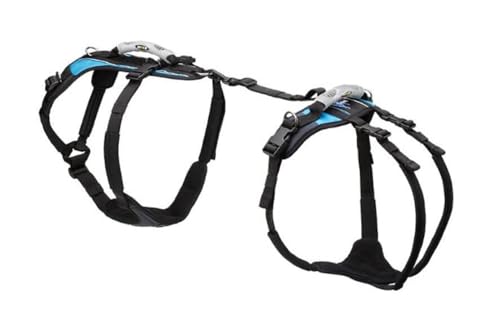
Help 'Em Up Help 'Em Up Harness (Large, U-Band)
Gold standard for mobility-impaired dogs. Front and rear lift handles, stays on 24/7. Veterinary rehab recommended.

Ruffwear Ruffwear Web Master Harness
Three-point adjustment, padded chest and belly. Built-in lift handle. Trail-tested and swim-compatible.
Ruffwear Ruffwear Float Coat Life Jacket
Swim-safe life jacket with strong lift handle. Keeps senior Labs buoyant and easy to assist in and out of water.
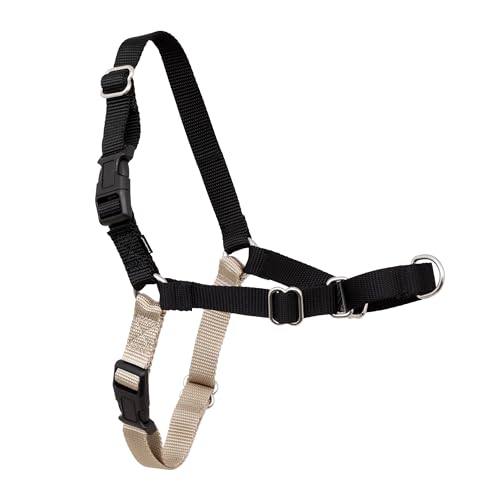
PetSafe Easy Walk No-Pull Harness
Front-clip design that gently redirects pulling. Ideal for daily walks. Comfortable chest strap, no choking.
Types of Harnesses for Senior Labradors
Not every senior Lab needs the same type of harness. The right choice depends on your dog's current mobility level and the activities you do together. Here's a breakdown of the three main categories:
Rear-Lift Support Harnesses
These are the most important harnesses for senior Labradors with hip dysplasia, arthritis, or degenerative myelopathy. A rear-lift harness wraps under your Lab's hind quarters, giving you a handle to physically assist them when standing, climbing stairs, getting into the car, or walking on slippery surfaces. For Labs with significant hind-end weakness, this type of harness is life-changing.
No-Pull Walking Harnesses
Senior Labs who still walk independently but tend to pull benefit from a front-clip no-pull harness. The front attachment point gently redirects your dog when they pull, distributing force across the chest instead of the neck. This is especially important for senior Labs with cervical arthritis or spinal issues where collar pressure could cause pain.
Swimming and Water Harnesses
Swimming is one of the best exercises for senior Labradors, it provides joint-friendly movement that maintains muscle mass without impact. But aging Labs with weakening hind legs can tire quickly in the water. A swim-compatible harness or life jacket with a strong lift handle lets you support your Lab in the water and lift them out safely when they're done.

Best Overall: Help 'Em Up Harness
The Help 'Em Up Harness is the gold standard for senior dog mobility assistance, and it's our top recommendation for aging Labradors. This is the harness that veterinary rehabilitation specialists prescribe most frequently for large breeds with mobility challenges.
What makes it exceptional:
- Full-body design: Both front chest harness and rear hip harness connected by a spine strap
- Stays on 24/7: Designed to be worn continuously, your Lab is always ready for assistance
- Ergonomic lift handles: Padded handles on both front and rear sections let you support your dog naturally
- Veterinary-designed: Created in collaboration with veterinary rehabilitation specialists
- Machine-washable: Critical for a harness worn full-time
- Doesn't restrict movement: Your Lab can walk, run, lie down, and play normally while wearing it
The Help 'Em Up fits Labradors in the Large (70-100 lbs) or Medium (50-70 lbs) sizes. Sizing is done by hip girth measurement, so follow their measurement guide carefully. Most Labs fall clearly into one size. Amazon sells it in a conventional style and a U-band style (the maker suggests U-band for male dogs); the product link here is the Large U-band, so check the weight band and style on the product page.
Budget: Under $250 depending on size.
Harness Size Guide for Labradors
- Small Female Labs (50-60 lbs): Medium in most brands, chest girth 28-32"
- Average Labs (60-75 lbs): Large in most brands, chest girth 32-38"
- Large Male Labs (75-90 lbs): Large or XL, chest girth 36-42"
Always measure your dog's actual girth with a soft tape measure. Weight alone is unreliable, a lean 75 lb Lab and a chunky 75 lb Lab need different sizes.
Best for Active Labs: Ruffwear Web Master
If your senior Lab is still active on trails and adventures but needs a harness with a solid lift handle for occasional assistance, the Ruffwear Web Master is the perfect choice. It's trail-tested, water-compatible, and built to handle the rigors of outdoor life with a large breed.
- Three points of adjustment for a custom fit around the chest, belly, and neck
- Padded chest and belly panels distribute force evenly, no rubbing or chafing
- Aluminum V-ring leash attachment on the back for walking
- Built-in lift handle: sturdy enough to support a full-grown Lab's weight for brief assists
- Quick-dry material: perfect for Labs who swim
The Web Master doesn't provide the full rear-lift support of the Help 'Em Up, but its dorsal handle gives you enough leverage to help your Lab over obstacles, into the car, or up steep terrain. It's the best "hybrid" option for Labs who are mostly mobile but occasionally need a boost.
Budget: Under $100.
Additional Support Options
Ruffwear Ruffwear Brush Guard (Chest Protector)
Add-on chest shield for the Web Master. Protects against brush and debris on trails. Extra padding for comfort.
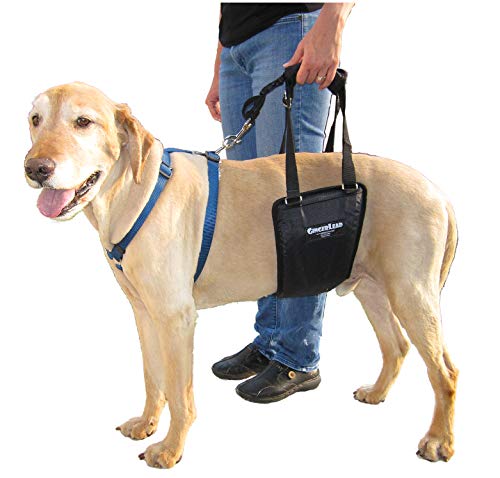
Simple, affordable rear-only support sling for hind-leg weakness. Easy to put on, gender-specific designs.
Best for Swimming: Ruffwear Float Coat
Swimming is therapeutic for senior Labradors, the buoyancy takes weight off arthritic joints while the resistance strengthens muscles. But senior Labs with weakening hind legs can fatigue quickly, and a life jacket is essential for safety. The Ruffwear Float Coat is the best swim aid we've found for large retrievers.
- Strategic foam panels keep your Lab in a natural swimming position
- Strong dorsal handle for lifting your Lab out of the water
- Reflective trim for visibility in open water
- Secure buckle closures: won't come off even in rough water
- Quick-dry shell and comfortable fit for extended water sessions
Many veterinary rehabilitation centers use swimming as part of their therapy programs for senior Labs. The Float Coat adds a margin of safety that lets your Lab enjoy the water without risk, even as their stamina decreases.
Budget: Under $100.

Best for Daily Walks: PetSafe Easy Walk
For senior Labs who walk well but still pull on the leash, the PetSafe Easy Walk is a simple, effective no-pull solution. The front-clip design gently steers your Lab toward you when they pull, eliminating the need for leash corrections that can jar arthritic joints.
The Easy Walk sits across the chest rather than the throat, so there's no choking or tracheal pressure, critical for senior Labs who may have weakened tracheal cartilage. It's lightweight, easy to put on, and doesn't interfere with natural gait when your Lab walks calmly.
Budget: Under $50.
Walking and Car Safety Harnesses

PetSafe 3-in-1 No-Pull Harness
Versatile harness with front and back clip options plus a car safety tether. One harness for walks, car rides, and training.

Crash-tested car safety harness that doubles as a walking harness. Steel nesting buckles. Padded chest plate.
How to Introduce a Harness to Your Senior Lab
Senior Labradors who've worn collars their whole life may initially resist a harness. Here's how to make the transition smooth:
- Let your Lab sniff the harness and reward with treats
- Drape it over their back without fastening, treat and praise
- Fasten it loosely for 5-10 minutes indoors, treat and play
- Tighten to proper fit and walk around the house
- First outdoor walk: keep it short and positive
Most Labradors accept a harness within 2-3 sessions, especially the food-motivated ones. Use high-value treats to create a positive association.
For complete guidance on caring for your aging Lab, visit our Senior Labrador Retriever Care Guide. If your Lab also needs bed support, check our best bed for senior Labradors guide and our best supplements for senior Labradors guide. More mobility solutions are available in our mobility aids section.
Mobility Essentials for Senior Labradors
- Support Harnesses for Large Dogs: Padded lift support for Labs with hip and joint issues
- Car Ramps for Large Dogs: Help your Lab get in and out of vehicles safely
- Orthopedic Dog Beds: Memory foam support for heavy Labrador joints
Frequently Asked Questions
What type of harness is best for a senior Labrador?
The best harness for a senior Labrador depends on their mobility level. For Labs who walk independently but need gentle control, a front-clip no-pull harness works well. For Labs with significant hip dysplasia or hind-leg weakness, a rear-lift support harness like the Help 'Em Up is essential. Many Lab owners end up needing both as their dog ages.
How do I know if my senior Lab needs a support harness?
Signs your Lab needs a support harness include: struggling to stand up from a lying position, slipping on smooth floors, wobbly or swaying hind legs, difficulty climbing stairs or getting into the car, bunny-hopping gait, and visible muscle wasting in the hind legs. If you notice any of these signs, a rear-lift harness can provide immediate help.
Can senior Labradors still swim with a harness?
Yes, certain harnesses are designed for water use. The Ruffwear Web Master and Float Coat are water-compatible and provide a secure handle for lifting your Lab out of the water. Swimming is excellent low-impact exercise for senior Labs with joint issues, and a water-safe harness adds a critical safety element for dogs whose hind legs may tire quickly.
What size harness fits a Labrador Retriever?
Most Labradors fit a Large or XL harness, with chest girths between 28-42 inches. Measure your Lab's chest at the widest point behind the front legs. Female Labs (55-70 lbs) typically need Large, while male Labs (65-85 lbs) need Large or XL. Always check the specific brand's sizing chart, as sizing varies significantly between manufacturers.
Is the Help 'Em Up harness worth the cost for a senior Lab?
Yes, the Help 'Em Up harness is widely considered the best investment for senior Labs with mobility challenges. At under $250, it costs more than standard harnesses, but it's the only harness that provides both front and rear lift support that stays on your dog 24/7. Veterinary rehabilitation specialists frequently recommend it as part of mobility management for aging large breeds.
Should I use a collar or harness for my senior Labrador?
Always use a harness instead of a collar for a senior Labrador. Collars put pressure on the neck and spine, which can worsen cervical arthritis and compress the trachea. A properly fitted harness distributes force across the chest and shoulders, protecting the neck and giving you more control if your Lab stumbles or needs steadying.
How do I put a harness on a Lab that can't stand easily?
For dogs with severe mobility issues, choose a step-in or lay-down-and-buckle harness design. The Help 'Em Up harness can be put on while your Lab is lying down, you slide the chest piece under them and buckle it on top. Avoid overhead harnesses that require your dog to lift their legs high, which is painful for arthritic Labs.
Need more help with your aging dog?
Browse our guides by topic to find practical solutions.
Wellness Planner, $39