Best Harness for Senior Dachshunds, Back Safe (2026)
Best back-safe harnesses for senior Dachshunds. Step-in designs that protect IVDD-prone spines. No pressure on back or neck. Vet-recommended picks.
Every time you clip a leash to your Dachshund's collar, you're putting their most vulnerable body part at risk. Dachshunds have the highest rate of intervertebral disc disease (IVDD) of any breed: up to 25% will experience a disc-related health event during their lifetime. A collar concentrates pulling force directly on the cervical spine, which is exactly where you don't want pressure on a Dachshund.
A back-safe harness isn't optional for senior Dachshunds, it's a medical necessity. We've evaluated the best harnesses specifically designed for the Dachshund's unique anatomy: long spine, short legs, deep chest, and vulnerability to disc disease. Every pick prioritizes spinal safety with zero back pressure.
Best Harnesses for Senior Dachshunds, Our Top Picks

Ultra-soft step-in design with chest-only pressure. No spine contact. Air mesh for breathability. Perfect Dachshund proportions.

Gooby Escape Free Easy Fit Harness
Step-in design specifically built for deep-chested small breeds. Neoprene chest pad, escape-proof. No back pressure.

EzyDog Drive Crash-Tested Car Harness
Wide chest plate distributes force broadly. Leash clip between shoulder blades. Step-in with magnetic buckle.
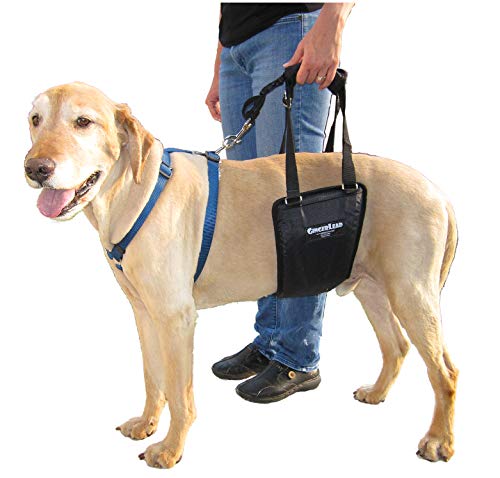
Rear-lift sling for Dachshunds with hind-leg weakness from IVDD. Gender-specific designs. Use with any front harness.
Why Harness Choice Is Critical for Dachshund Spinal Health
The Dachshund's elongated spine is their most defining feature and their greatest vulnerability. Understanding the anatomy of IVDD risk explains why the right harness matters so much.
The Anatomy of Risk
Dachshunds are chondrodystrophic (their dwarfism gene causes short legs but also causes premature calcification of spinal disc material. Normal, healthy discs are flexible and act as shock absorbers between vertebrae. Calcified discs are brittle and prone to rupture under pressure. Every source of spinal pressure) including pulling on a collar or harness that contacts the spine, increases rupture risk.
A safe Dachshund harness must follow these principles:
- No pressure on the spine: All force must be distributed to the chest and shoulders
- Step-in design: No overhead straps that require pulling over the head, which can torque the neck
- Leash clip at the chest or shoulder blades: Never on the mid-back over the thoracolumbar junction (IVDD hotspot)
- Secure fit: Dachshunds' deep chests and narrow waists make them escape artists, the harness must stay put
- Easy on/off: Minimal body manipulation for dogs with existing back pain
Collars vs. Harnesses: The Science Is Clear
A 2006 study published in the Journal of the American Animal Hospital Association found that dogs walked on collars experienced significantly higher intraocular pressure (a proxy for neck/cervical pressure) compared to dogs walked on harnesses. For IVDD-prone Dachshunds, this cervical pressure can be the trigger for disc herniation.
Bottom line: never walk a Dachshund on a collar. Use a collar only for ID tags, and always attach the leash to a body harness.
Best Overall: Puppia Soft Vest Harness
The Puppia Soft Vest Harness is the most recommended harness for Dachshunds among breed-specific forums, Dachshund rescue organizations, and veterinary rehabilitation specialists. Its vest-style design wraps the chest and shoulders completely, keeping all leash force away from the spine and neck.
- Step-in design: Your Dachshund steps in and you buckle on the back, no overhead pulling
- Air mesh material: Breathable, lightweight, and soft against the skin
- Chest-only contact: Force distributes across the broad chest panel, not the spine
- Adjustable chest strap: Accommodates the Dachshund's unique deep-chest, narrow-waist proportions
- Multiple sizes: XS through XL to fit Miniature through standard Dachshunds
The Puppia's one limitation is that it's a walking harness only, it doesn't provide rear-end lift support for Dachshunds with hind-leg weakness. For dogs with active IVDD symptoms, pair the Puppia with a rear support sling like the GingerLead.
Budget: Under $50.
Harness Size Guide for Dachshunds
Dachshund sizing is tricky, always measure, never guess.
- Miniature Dachshund (8-11 lbs): XS-Small, chest girth 12-16"
- Tweenie Dachshund (11-16 lbs): Small, chest girth 16-20"
- Standard Dachshund (16-32 lbs): Small-Medium, chest girth 18-24"
Measure at the widest point of the chest, behind the front legs. Dachshunds have deep chests that often size larger than expected for their weight.
Best Escape-Proof: Gooby Escape Free Easy Fit
Dachshunds are notorious escape artists, their deep chest and narrow waist create a body shape that slips out of many standard harnesses. The Gooby Escape Free Easy Fit solves this with a patented design specifically built for deep-chested, narrow-waisted breeds.
- Four-point adjustment: Fits the Dachshund's unique chest-to-waist ratio
- Neoprene chest pad: Soft, comfortable, and distributes leash pressure broadly
- Escape-proof design: The wrap-around chest panel prevents backing out
- No spine contact: All pressure stays on the chest and shoulders
- Reflective stitching: Visibility for evening walks
The Gooby is slightly more structured than the Puppia, which some Dachshund owners prefer for dogs who pull moderately on walks. The neoprene padding is also gentler on senior dogs with thin skin or irritation-prone areas.
Budget: Under $50.
Additional Harness Options
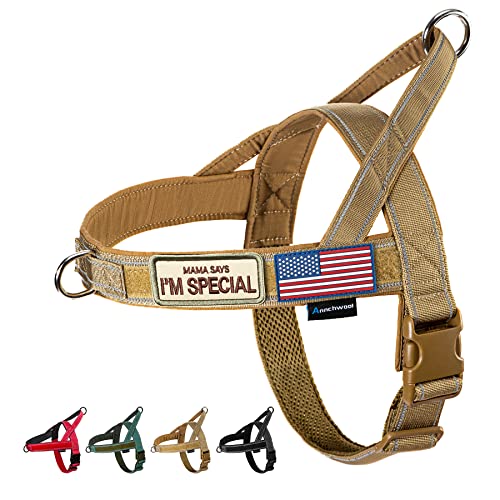
Annchwool No-Pull Harness with Padded Handle
3M reflective material, dual leash clips (front and back), padded handle for quick grab. Durable for outdoor use.

Kurgo Tru-Fit Smart Harness (Small)
Crash-tested car safety harness with walking function. Padded chest plate. Steel buckles for security.
Best for IVDD Support: GingerLead Rear Sling
For senior Dachshunds with active IVDD, recovering from disc surgery, or experiencing progressive hind-leg weakness, the GingerLead Rear Support Sling is a game-changing mobility aid. It wraps under your Dachshund's hind quarters, giving you a handle to physically support their rear end during walks.
- Gender-specific designs: Male and female versions accommodate anatomical differences
- Adjustable support level: You control how much lift your Dachshund receives
- Padded interior: Soft against sensitive post-surgical or painful areas
- Use with any front harness: Combine with the Puppia or Gooby for complete support
- Washable: Neoprene material is easy to clean
The GingerLead isn't a walking harness, it's a support sling used in conjunction with a front harness. For Dachshunds with hind-leg weakness, this combination provides both walking control and rear-end support, allowing them to continue walking and maintain muscle mass even as IVDD progresses.
Budget: Under $100.

Best Chest Plate Design: EzyDog Chest Plate Harness
The EzyDog Chest Plate Harness features a unique wide chest plate that distributes pulling force across the broadest possible area, minimizing any localized pressure. The magnetic buckle makes fastening effortless, a significant advantage when handling a Dachshund with a sore back who doesn't want to be fussed with.
- Wide chest plate: Maximum force distribution across the sternum
- Magnetic buckle: One-handed operation for quick, gentle fastening
- Leash clip between shoulder blades: Keeps pull force away from the mid-back
- Neoprene lining: Cushioned comfort against the skin
Budget: Under $50.
Full Mobility Support Harnesses

Full rear-lift harness with padded support panel. Helps Dachshunds stand, walk, and navigate stairs.

Help 'Em Up Help 'Em Up Harness (Small, U-Band)
Full-body support harness with front and rear lift handles. Stays on 24/7. Vet rehabilitation recommended.
How to Fit a Harness on a Senior Dachshund
Proper fit is crucial for both safety and spinal protection. Follow these steps:
- Measure the chest girth at the widest point behind the front legs with a soft tape measure
- Choose based on girth, not weight: Dachshund proportions don't match standard weight-based sizing
- Check the two-finger rule: You should be able to slide two fingers under any strap
- Verify no spine contact: The harness should sit on the chest and shoulders only
- Test for escape resistance: Gently pull backward on the harness, it should not slide over the head
- Watch for rubbing: Check underarms and chest after the first few walks for irritation
For complete guidance on caring for your aging Dachshund, visit our Senior Dachshund Care Guide. For spinal protection products, check our best ramps for senior Dachshunds and best supplements for senior Dachshunds guides. More mobility solutions are available in our mobility aids section.
Mobility Essentials for Senior Dachshunds
- Step-In Back-Safe Harnesses: Zero spinal pressure for IVDD-prone Dachshunds
- Dog Ramps for Beds: Protect Dachshund backs from jumping on and off furniture
- Rear Lift Slings: Hind-leg support for Dachshunds with disc-related weakness
Frequently Asked Questions
Why do senior Dachshunds need a special harness?
Dachshunds have extremely long spines and short legs, making them highly susceptible to IVDD (intervertebral disc disease). A standard harness or collar can put dangerous pressure on the spine and neck. Dachshunds need step-in harnesses that distribute force across the chest and avoid any pressure on the back or spine.
Is a collar safe for a senior Dachshund?
No. Collars should never be used for leash attachment on Dachshunds of any age, and especially not seniors. Collar pressure concentrates force on the cervical spine, which can aggravate disc disease and cause pain. Even for ID purposes, many Dachshund experts recommend a breakaway collar with a separate harness for walking.
What type of harness is best for Dachshund backs?
Step-in harnesses are the safest option for Dachshund backs. Your Dachshund steps into the harness and it buckles on top of the back, no overhead pulling that could torque the spine. Look for designs that clip at the chest or between the shoulder blades (not on the mid-back) to keep pressure away from the vulnerable thoracolumbar spine.
Should I get a harness with back support for my Dachshund?
For senior Dachshunds with existing IVDD or back pain, harnesses with extra spinal support panels can help stabilize the back during walks. Some veterinary rehabilitation specialists recommend harnesses with a rigid or semi-rigid spinal panel for dogs recovering from disc surgery or those with chronic back weakness.
What size harness does a Dachshund need?
Standard Dachshunds typically need a Small or Medium harness with a chest girth of 16-24 inches. Miniature Dachshunds usually need XS or Small with a chest girth of 12-18 inches. Always measure the actual chest girth at the widest point behind the front legs, Dachshund proportions are unique, so go by measurements, not weight-based sizing.
Can a harness help a Dachshund with IVDD?
A proper harness helps manage IVDD in two ways: it prevents neck and spinal pressure during walks (which could worsen disc disease), and certain support harnesses provide lift assistance for Dachshunds with hind-leg weakness from disc compression. For Dachshunds with active IVDD, a rear-lift sling combined with a step-in harness provides the most comprehensive support.
How do I put a harness on a Dachshund with a sore back?
Use a step-in design that requires minimal body manipulation. Place the harness flat on the floor, guide your Dachshund's front paws into the leg holes, then gently lift the straps up and buckle on top. Avoid any harness that requires pulling over the head or lifting your Dachshund's legs high. Velcro closures are gentler than snap buckles for sensitive dogs.
Need more help with your aging dog?
Browse our guides by topic to find practical solutions.
Wellness Planner, $39