Best Food for Senior German Shepherds (2026)
Top-rated senior dog food for aging German Shepherds. Sensitive stomach formulas with joint support, digestible proteins, and digestive care reviewed.
German Shepherds are among the most intelligent and loyal dogs on the planet, and among the most challenging to feed properly as they age. GSDs have one of the highest rates of digestive sensitivity of any large breed, with conditions like exocrine pancreatic insufficiency (EPI), inflammatory bowel disease, and food intolerances affecting a significant portion of the breed. Combine that with widespread hip and elbow dysplasia, and feeding your senior German Shepherd becomes a careful balancing act.
We've researched and tested the best senior food formulas specifically for the health profile of aging German Shepherds, prioritizing digestible proteins, joint support, and gentle-on-the-gut ingredients that won't trigger the loose stools, gas, and vomiting that plague so many GSDs. Here are our top recommendations for 2026.
Best Food for Senior German Shepherds, Our Top Picks

Purina Pro Plan Sensitive Skin & Stomach
Salmon-based, easily digestible formula with oatmeal. Prebiotic fiber for gut health. No corn, wheat, or soy.

Hill's Science Diet Hill's Science Diet Sensitive Stomach Senior
Veterinarian-recommended. Prebiotic fiber blend for digestive health. Chicken and barley formula.

Royal Canin German Shepherd Adult
Breed-specific kibble shape for GSD jaw. Highly digestible proteins with L.I.P. technology. Joint support.

Canidae PURE Senior Limited Ingredient
Limited ingredient diet with just 8-10 ingredients. Real lamb or salmon first. Gentle on sensitive systems.
Why Senior German Shepherds Need Breed-Specific Nutrition
German Shepherds aren't just big dogs with big appetites. Their unique genetic makeup creates nutritional challenges that generic "large breed senior" food often fails to address.
The Digestive Challenge
German Shepherds have a well-documented predisposition to gastrointestinal issues. EPI (exocrine pancreatic insufficiency) is up to 5 times more common in GSDs than in other breeds. This condition reduces the pancreas's ability to produce digestive enzymes, leading to poor nutrient absorption, chronic diarrhea, and weight loss. Even GSDs without clinical EPI often produce fewer digestive enzymes than other breeds.
This means senior German Shepherd food must be:
- Highly digestible: Protein digestibility above 85%, look for single-source proteins like salmon, lamb, or duck
- Prebiotic-enriched: Fiber sources like beet pulp and chicory root feed beneficial gut bacteria
- Low in common irritants: Avoid corn, soy, wheat, and artificial preservatives that trigger sensitivities
- Probiotic-enhanced: Live beneficial bacteria support the digestive process

Joint Support Is Essential
German Shepherds have some of the highest rates of hip and elbow dysplasia among all breeds. The OFA estimates that over 20% of GSDs have hip dysplasia, and many more develop arthritis from their sloped-back conformation. Senior food should include:
- Glucosamine: At least 300-500 mg per serving for cartilage repair
- Chondroitin: Works synergistically with glucosamine for joint protection
- EPA/DHA omega-3 fatty acids: Reduces inflammatory markers in joints
- Controlled calories: Excess weight accelerates joint deterioration dramatically
Protein Needs for Aging Muscle Mass
German Shepherds are naturally muscular dogs, and maintaining lean muscle mass is critical for joint support and mobility in their senior years. Look for food with 25-30% protein from high-quality animal sources: real meat, not meat by-products. The protein source matters as much as the percentage: easily digestible proteins like salmon and lamb are better for GSDs than chicken, which some dogs are sensitive to.
Best Overall: Purina Pro Plan Sensitive Skin & Stomach
Our top pick for senior German Shepherds is the Purina Pro Plan Sensitive Skin & Stomach formula, and the reason is simple: it was designed from the ground up for dogs with digestive challenges. Real salmon is the first ingredient, providing a high-quality, highly digestible protein source that's less likely to trigger GSD food sensitivities than chicken or beef.
- Oatmeal and rice as gentle carbohydrate sources, easy on sensitive stomachs
- Prebiotic fiber from natural sources to promote healthy gut bacteria
- Omega-6 fatty acids and zinc for skin and coat health
- No corn, wheat, soy, or artificial colors and flavors
- Live probiotics guaranteed in every serving
GSD owners consistently report dramatic improvements in stool quality, reduced gas, and less vomiting within 2-3 weeks of switching to this formula. It's not specifically a "senior" formula, but its protein and calorie profile work well for less-active senior GSDs.
Budget: Under $100 for a 35 lb bag (approximately 5-6 week supply).
Helpful Feeding Accessories for GSDs

Pro Plan Veterinary Diets Purina Pro Plan FortiFlora Probiotic
Veterinarian-recommended probiotic supplement. Excellent add-on for GSDs with persistent digestive issues.

Outward Hound Slow Feeder Bowl
Slows eating speed by 10x. Reduces bloat risk in deep-chested German Shepherds. Non-slip base.
Best Vet-Recommended: Hill's Science Diet Sensitive Stomach
Hill's Science Diet is the most commonly recommended brand by veterinarians, and their Sensitive Stomach & Skin formula is a proven choice for German Shepherds with chronic digestive issues. The formula features a prebiotic fiber blend that nourishes gut bacteria and promotes firm, healthy stools.
What sets Hill's apart is their clinical testing approach, every formula is backed by peer-reviewed research. The Senior 7+ version adds glucosamine and chondroitin for joint health, L-carnitine for lean muscle maintenance, and balanced minerals for aging organ support.
Budget: Under $100 for a 30 lb bag.
Best Breed-Specific: Royal Canin German Shepherd 5+
Royal Canin's breed-specific line is uniquely formulated for German Shepherds, right down to the kibble shape designed for the GSD's jaw structure. This encourages proper chewing and slower eating, which is important for a breed prone to bloat (gastric dilatation-volvulus).
The formula uses L.I.P. (Low Indigestibility Protein) technology, meaning the proteins are processed for maximum digestibility. It includes a proprietary blend of fibers to support healthy digestion and firm stools, addressing the exact issues that plague German Shepherd owners.
The "5+" formula is designed for German Shepherds over 5 years old, with added glucosamine, chondroitin, and EPA/DHA for joint support, making it an excellent transition food before moving to a senior formula.
Budget: Under $100 for a 28 lb bag.

Best Limited Ingredient: Canidae PURE Senior
For German Shepherds with confirmed food allergies or multiple sensitivities, a limited ingredient diet (LID) is often the safest approach. Canidae PURE Senior uses just 8-10 whole food ingredients, making it easy to identify and avoid triggers.
The formula features real lamb or salmon as the single animal protein source, along with sweet potatoes, peas, and a carefully selected blend of vitamins and minerals. No corn, wheat, soy, chicken, or artificial additives that commonly trigger GSD sensitivities.
Budget: Under $100 for a 24 lb bag.
Feeding Guidelines for Senior German Shepherds
- 60-70 lb GSD: 2.5-3.5 cups per day, split into 2 meals
- 70-85 lb GSD: 3-4 cups per day, split into 2 meals
- 85-100 lb GSD: 3.5-4.5 cups per day, split into 2 meals
- Overweight GSD: Consult vet, likely 2.5-3.5 cups of weight management formula
Always use a slow feeder bowl to reduce bloat risk. Feed on an elevated stand and avoid exercise for 1 hour after meals.
Supplement Boosters for Senior GSDs

Nordic Naturals Nordic Naturals Omega-3 Pet
High-quality fish oil to boost EPA/DHA intake for joint and digestive inflammation. Liquid or soft gels.
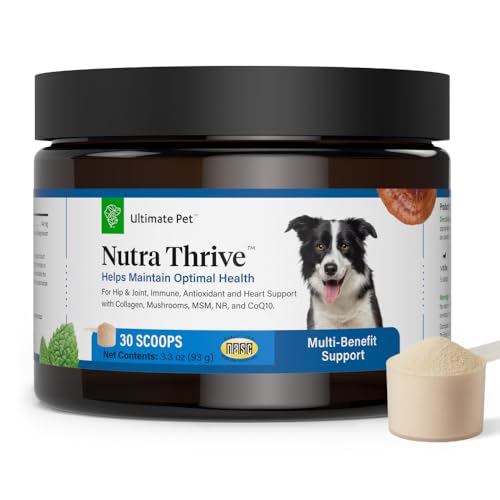
ULTIMATE PET NUTRITION Nutra Thrive Canine Nutritional Supplement
Comprehensive vitamin, probiotic, and enzyme powder. Addresses multiple senior GSD nutritional gaps.
Transitioning Your German Shepherd to Senior Food
German Shepherds have notoriously sensitive digestive systems, so food transitions must be slower than for most breeds. Use this extended schedule:
- Days 1-3: 80% old food, 20% new food
- Days 4-6: 65% old food, 35% new food
- Days 7-9: 50% old food, 50% new food
- Days 10-12: 35% old food, 65% new food
- Days 13-14: 100% new food
If your GSD experiences loose stools at any stage, slow down and stay at the current ratio for an extra 2-3 days. Adding a probiotic like Purina FortiFlora during the transition can help significantly.
For complete guidance on caring for your aging German Shepherd, visit our Senior German Shepherd Care Guide. If your GSD needs mobility support, check out our best harness for senior German Shepherds guide and our best bed for senior German Shepherds guide. More nutrition resources are available in our senior dog nutrition section.
Senior German Shepherd Care Essentials
- Joint Supplements for Senior Dogs - Monthly glucosamine & chondroitin for GSDs prone to hip dysplasia
- Orthopedic Dog Beds - Memory foam support for arthritic German Shepherds
- Dog Mobility Harnesses - Support your GSD's hind legs during walks and transitions
Frequently Asked Questions
What is the best food for a senior German Shepherd?
The best food for a senior German Shepherd is a large-breed senior formula with highly digestible proteins (lamb, salmon, or limited-ingredient), added glucosamine and chondroitin for joints, omega-3 fatty acids, and probiotics for their sensitive digestive systems. Avoid foods with common irritants like corn, soy, and artificial additives.
When should I switch my German Shepherd to senior food?
Most veterinarians recommend switching German Shepherds to senior food between ages 7-8. However, German Shepherds often show signs of aging earlier than other large breeds. If your GSD shows joint stiffness, digestive sensitivity, or reduced activity before age 7, consult your vet about an earlier transition.
Why do German Shepherds have sensitive stomachs?
German Shepherds are genetically predisposed to digestive issues including exocrine pancreatic insufficiency (EPI), inflammatory bowel disease (IBD), and food sensitivities. Their GI tracts produce fewer digestive enzymes than many breeds, making them more susceptible to loose stools, gas, and food intolerances, especially as they age.
How much should I feed my senior German Shepherd?
Most senior German Shepherds need 1,200-1,600 calories per day, split into two meals. This equates to roughly 3-4 cups of premium senior food daily for a 70-90 pound dog. Senior dogs need 20-30% fewer calories than active adults, but exact amounts depend on weight, activity level, and body condition.
Should senior German Shepherds eat grain-free food?
Unless your veterinarian has diagnosed a specific grain allergy, grain-inclusive food is recommended for senior German Shepherds. The FDA has investigated a potential link between grain-free diets and dilated cardiomyopathy (DCM) in dogs. Whole grains like brown rice and oatmeal are excellent digestible carbohydrate sources for GSDs.
What supplements should I add to my senior German Shepherd's food?
Consider adding a probiotic for digestive support, fish oil for joint inflammation and coat health, and a glucosamine/chondroitin supplement if not already included in the food. Digestive enzymes can help GSDs with EPI or reduced enzyme production. Always consult your vet before adding supplements.
Can diet help a German Shepherd with degenerative myelopathy?
While no diet can cure degenerative myelopathy (DM), anti-inflammatory nutrition may slow progression. Focus on foods rich in omega-3 fatty acids (EPA/DHA), vitamin E, and antioxidants. Some veterinary neurologists also recommend supplementing with vitamin B12 and SAMe. A healthy weight reduces strain on the weakening hind legs.
Need more help with your aging dog?
Browse our guides by topic to find practical solutions.
Wellness Planner, $39